Summary
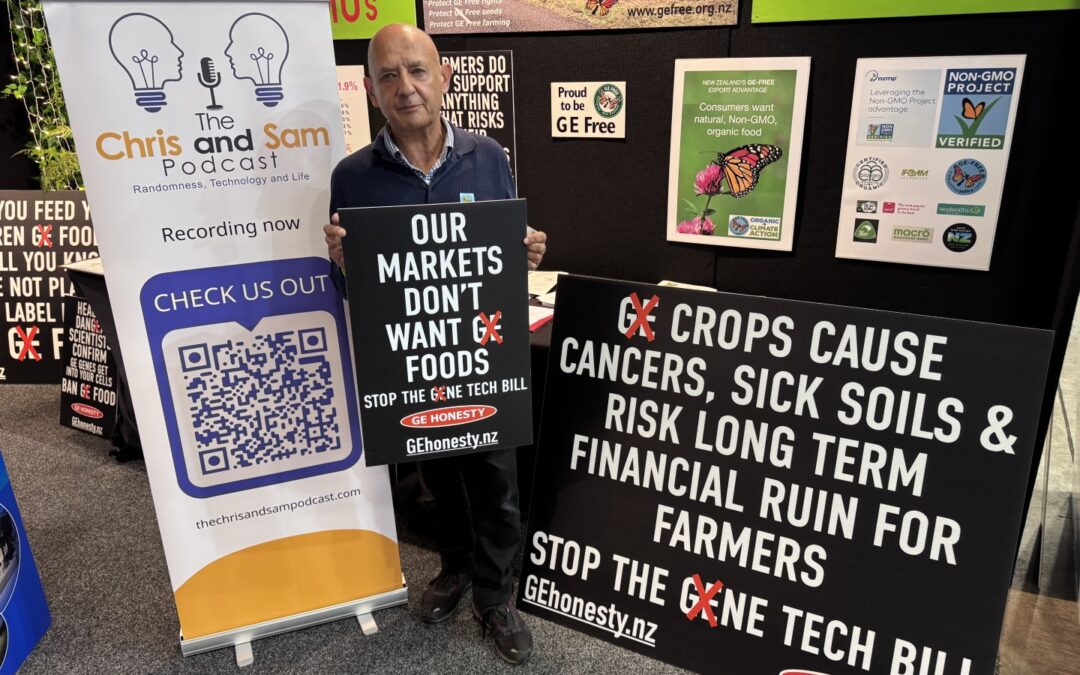
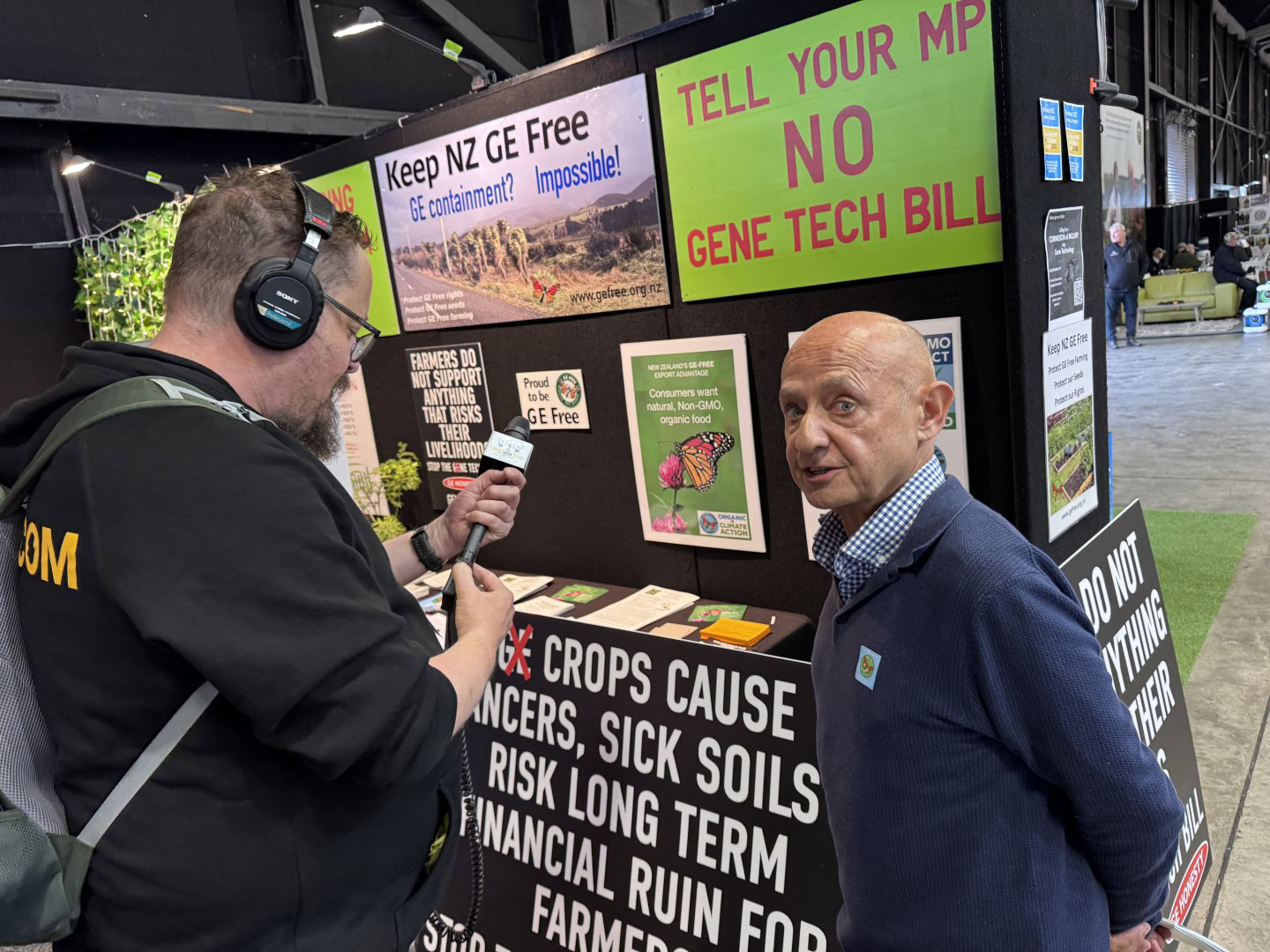
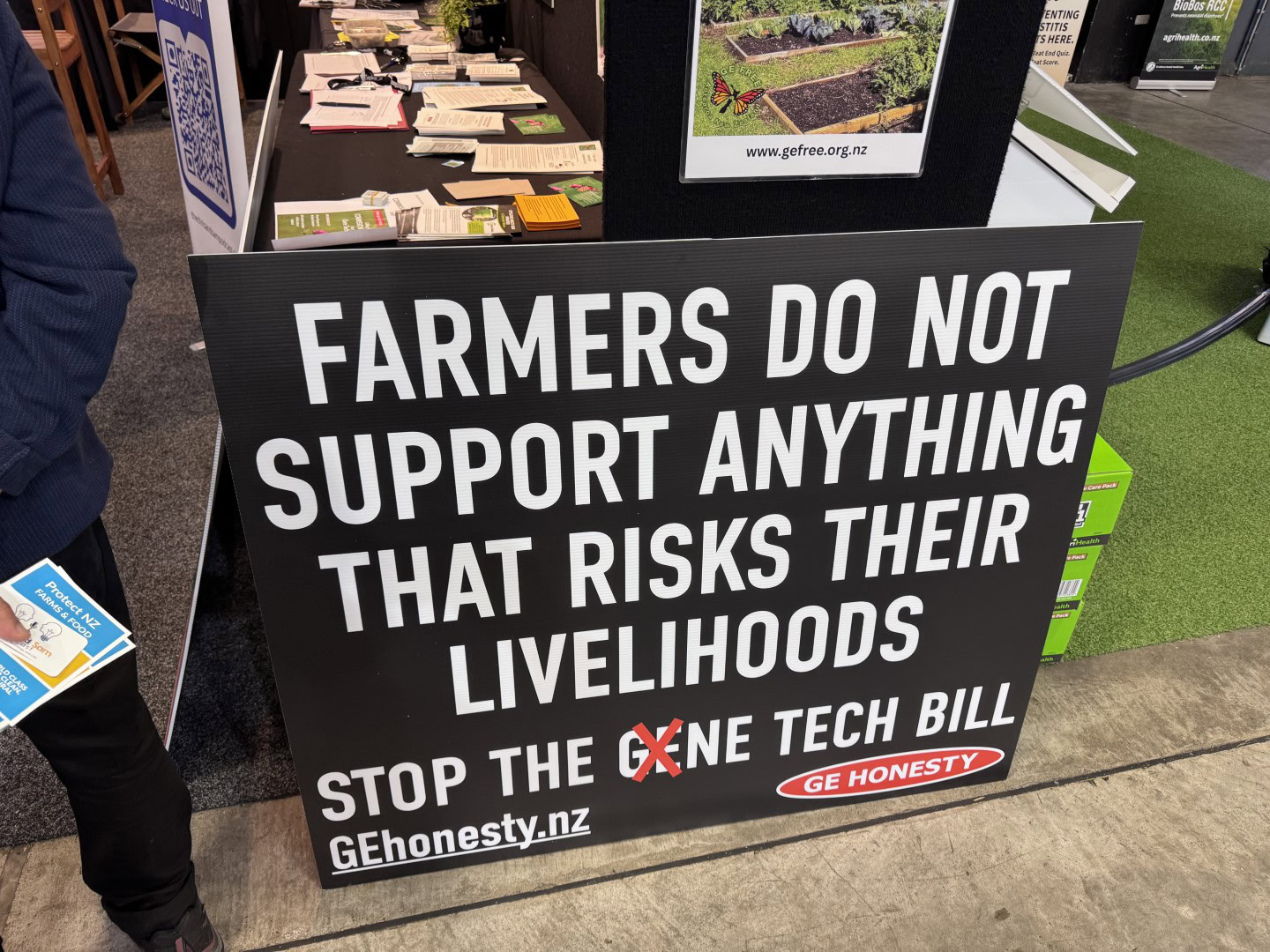
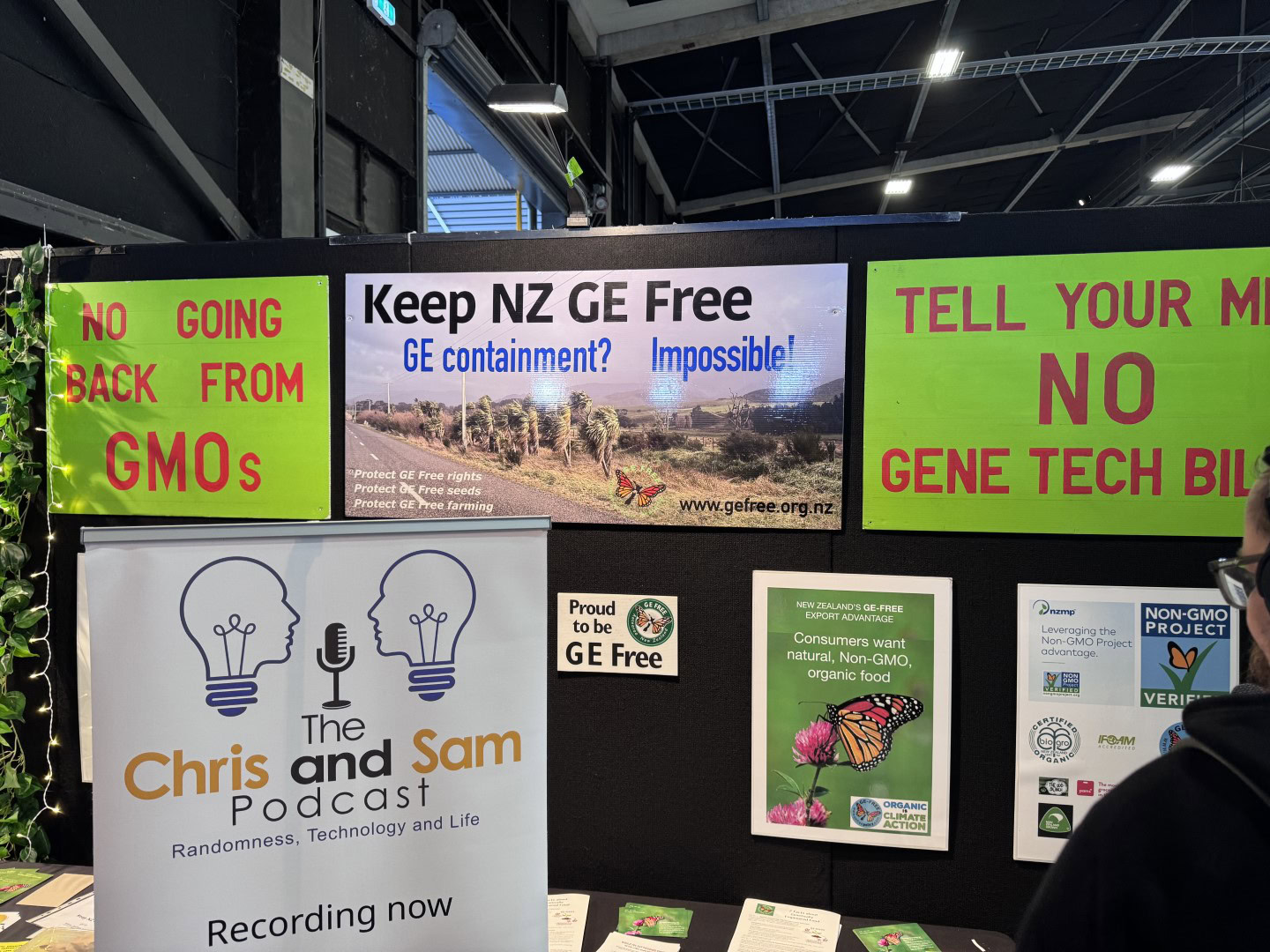
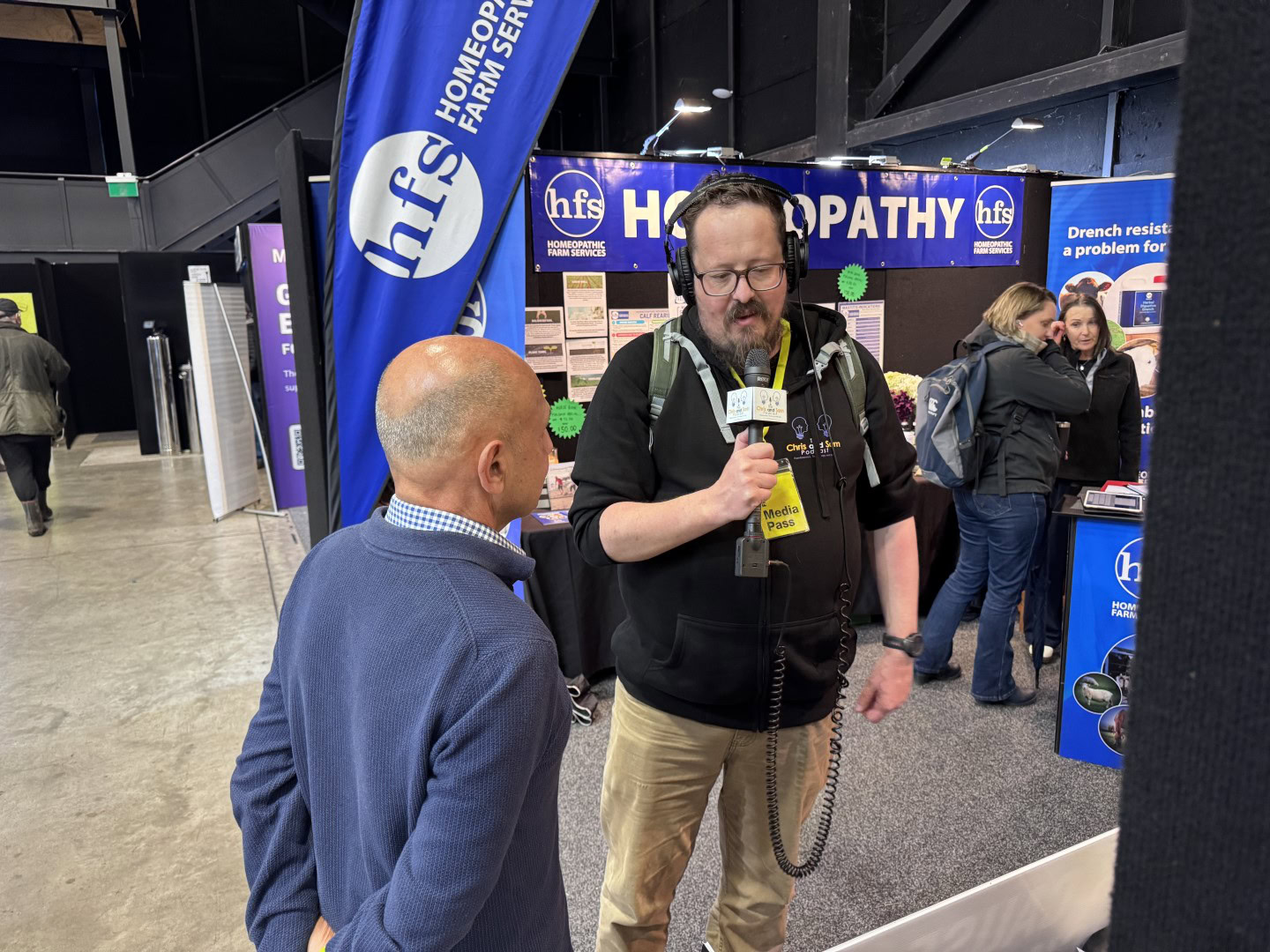
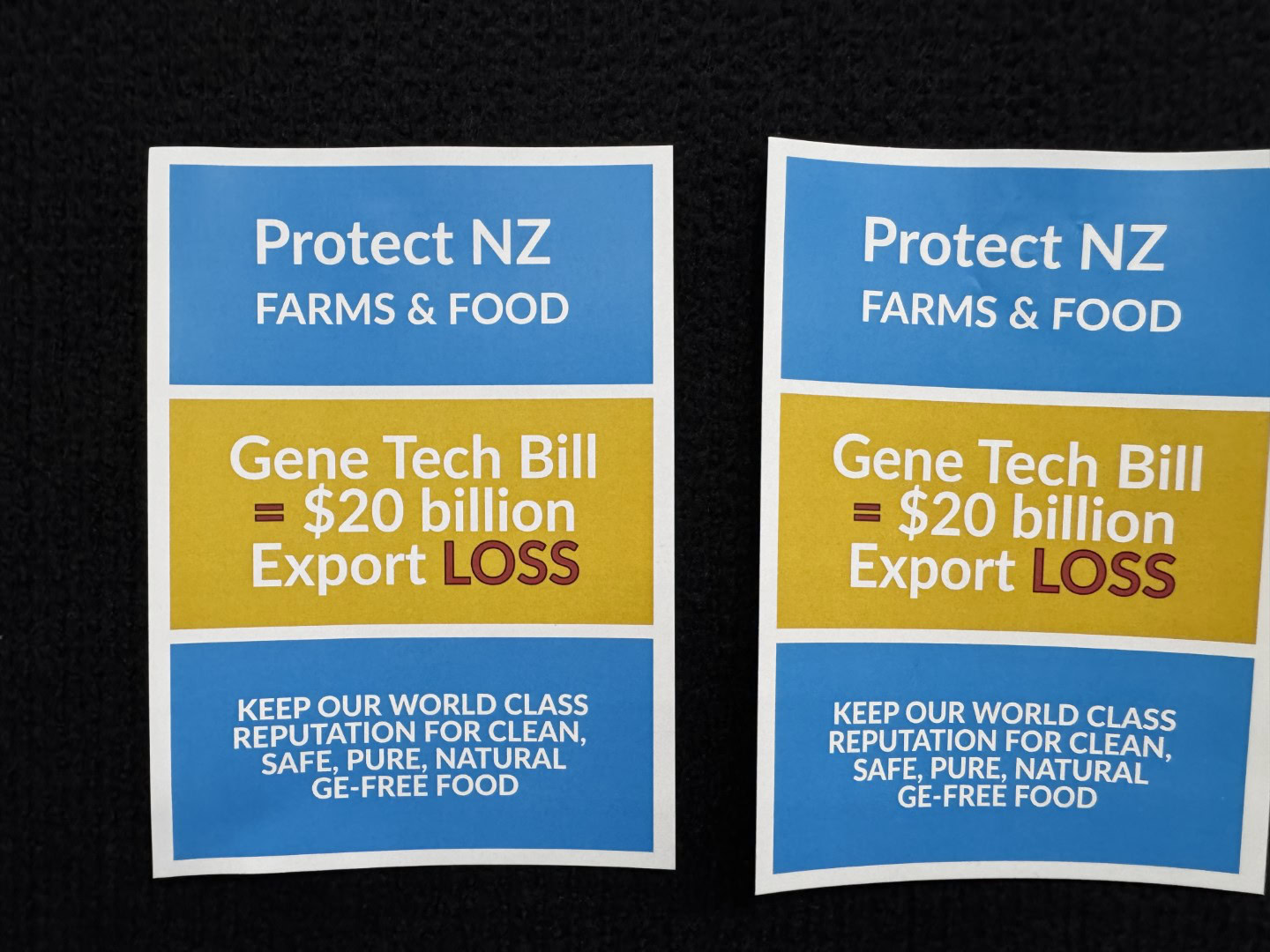
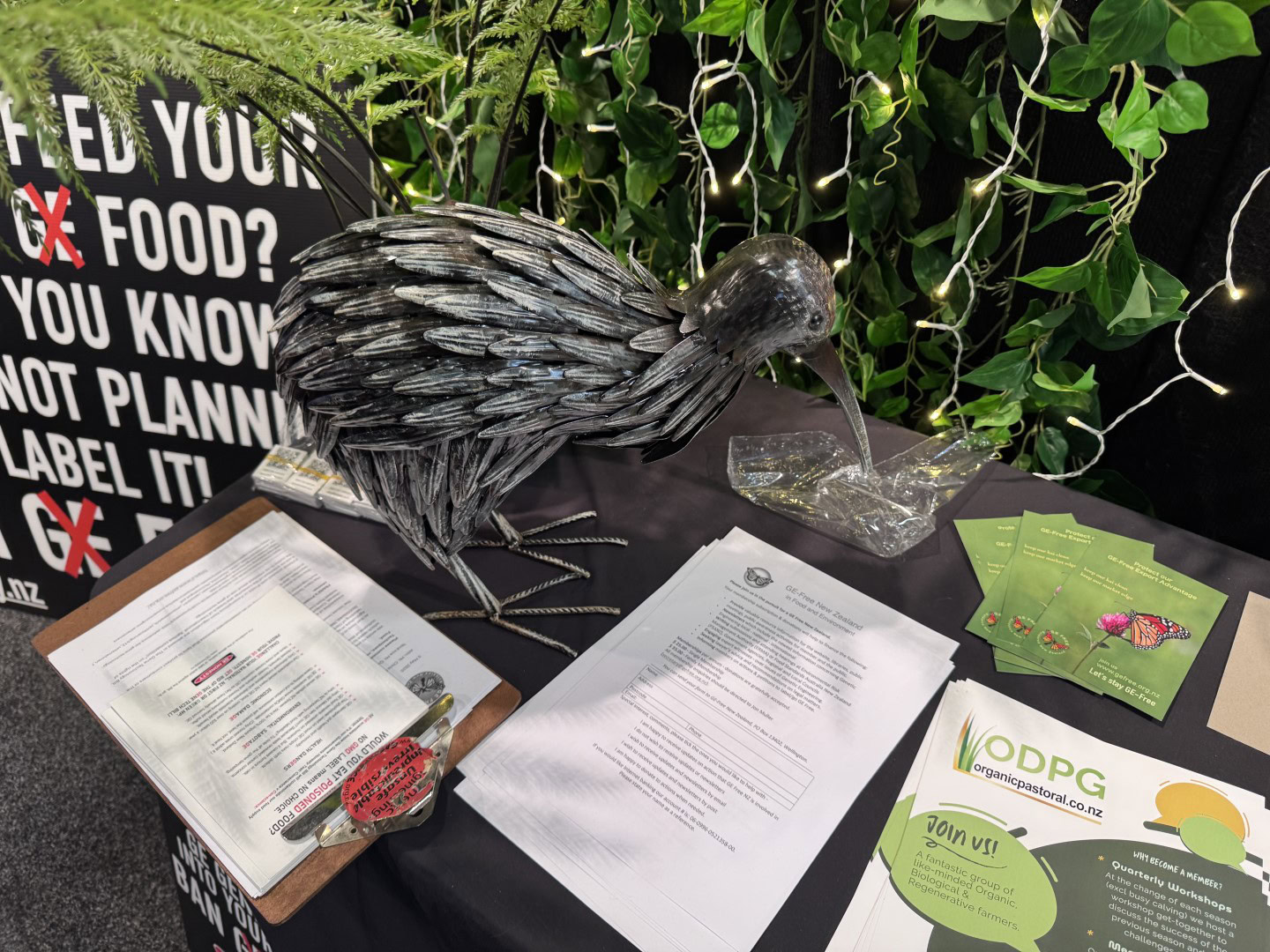
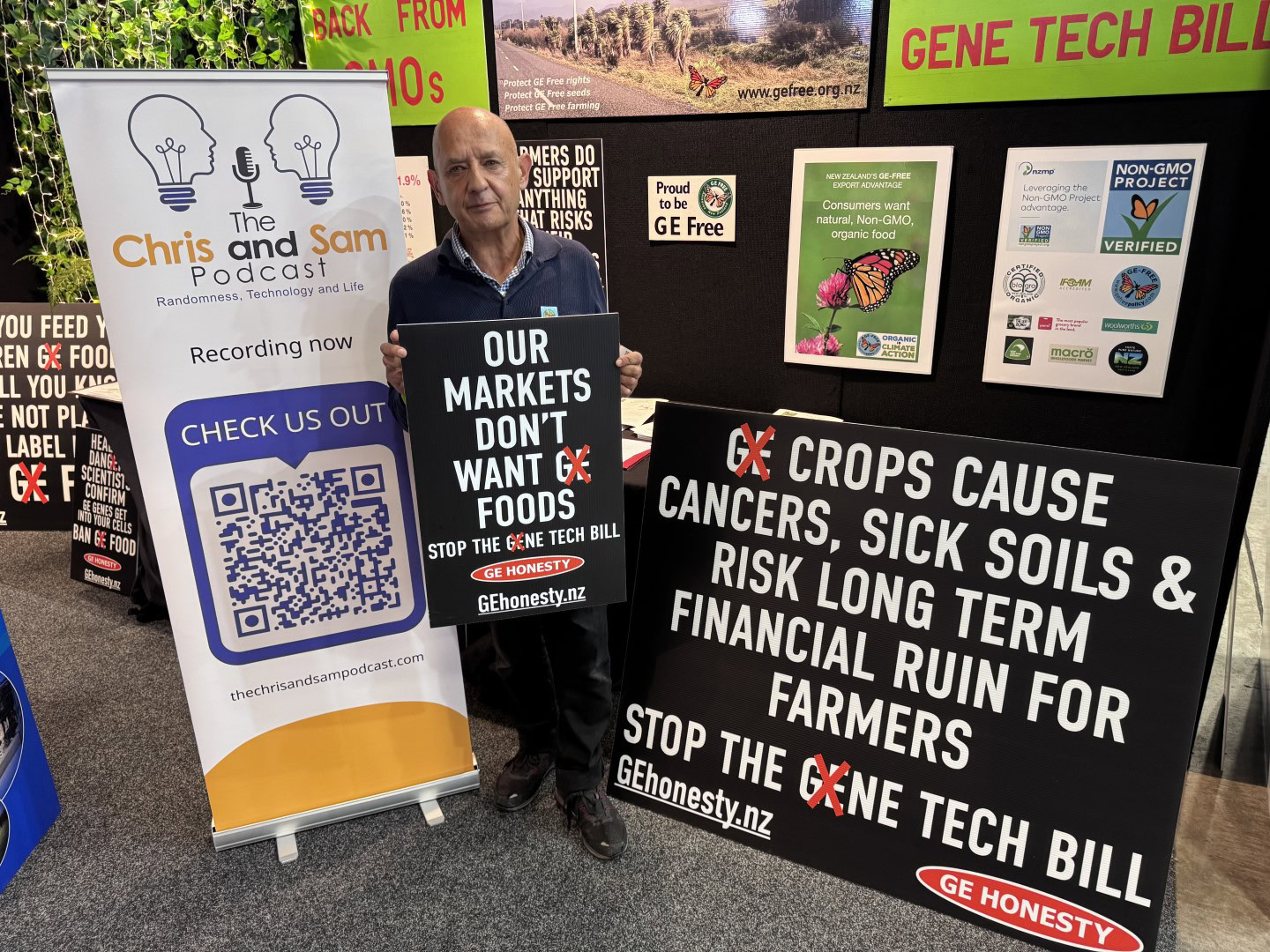
Sam chats with Jon from GE Free New Zealand at Field Days, diving into the hot debate around gene editing, the new Gene Technology Bill, and what losing Aotearoa’s GE Free status could mean for our exports and farmers.
We hear why the government’s changes are raising eyebrows, explore the loss of local protections and there’s some real talk about patents, food safety, and who’s actually paying when things go wrong.
Photos
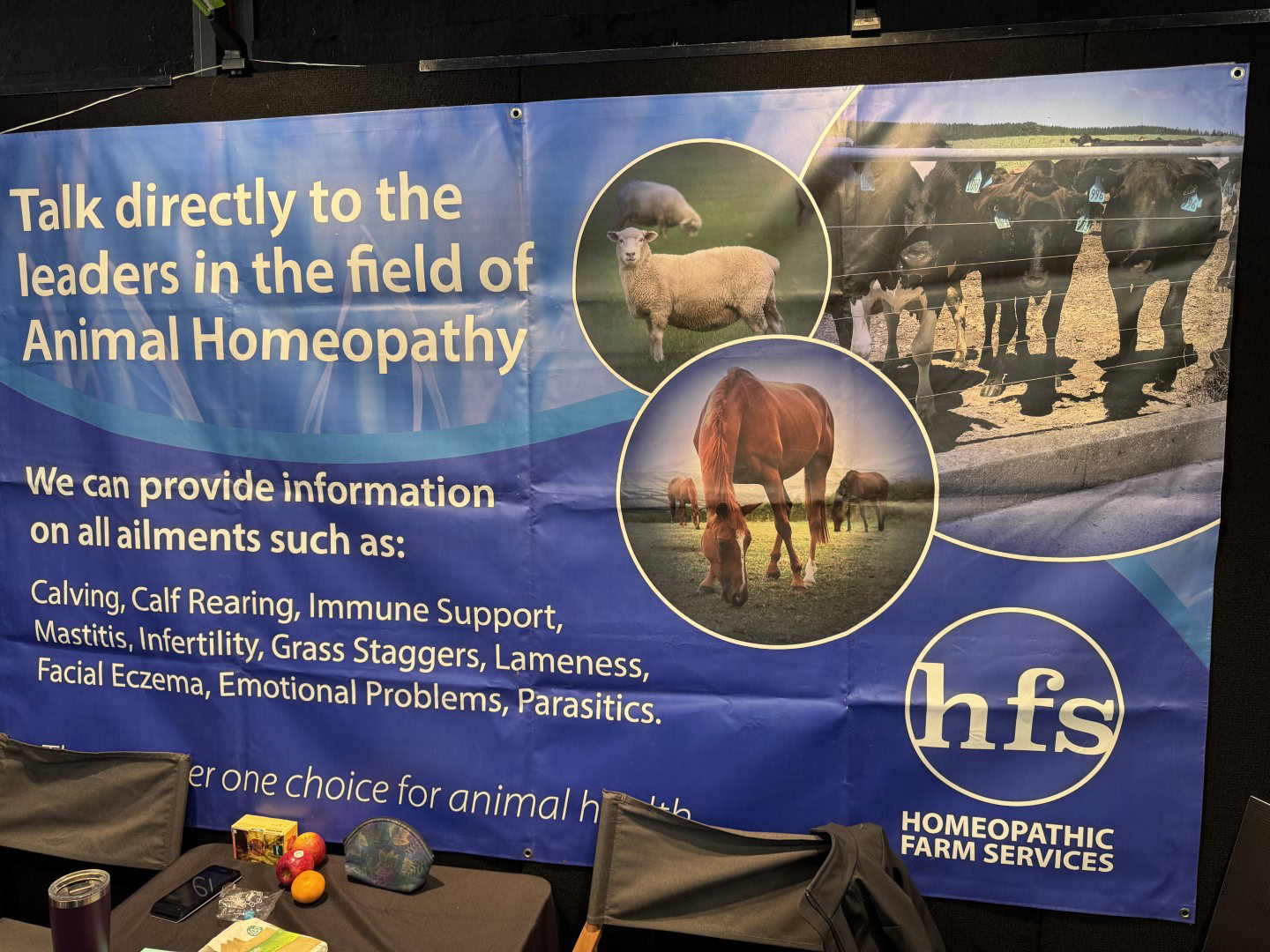
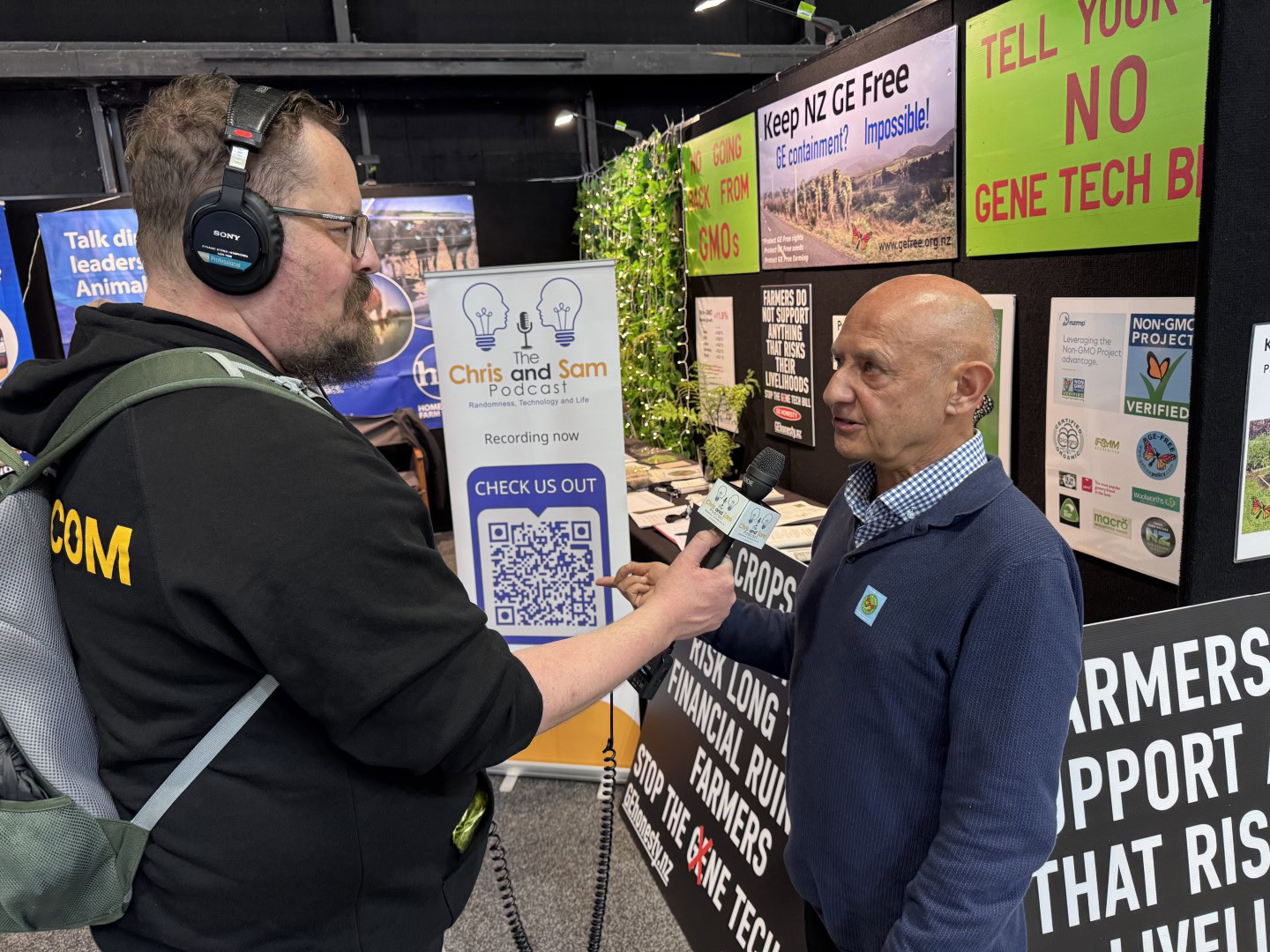
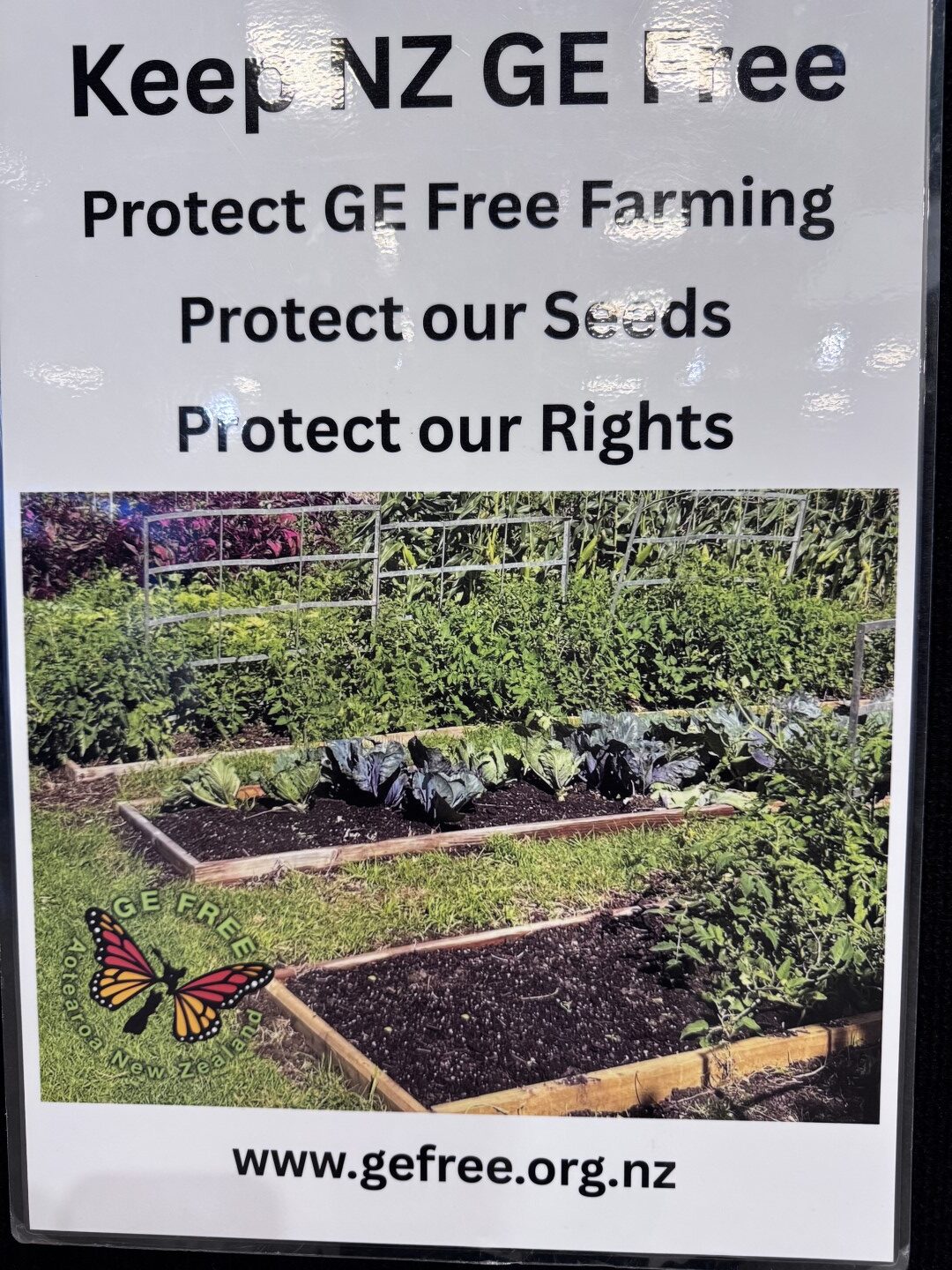
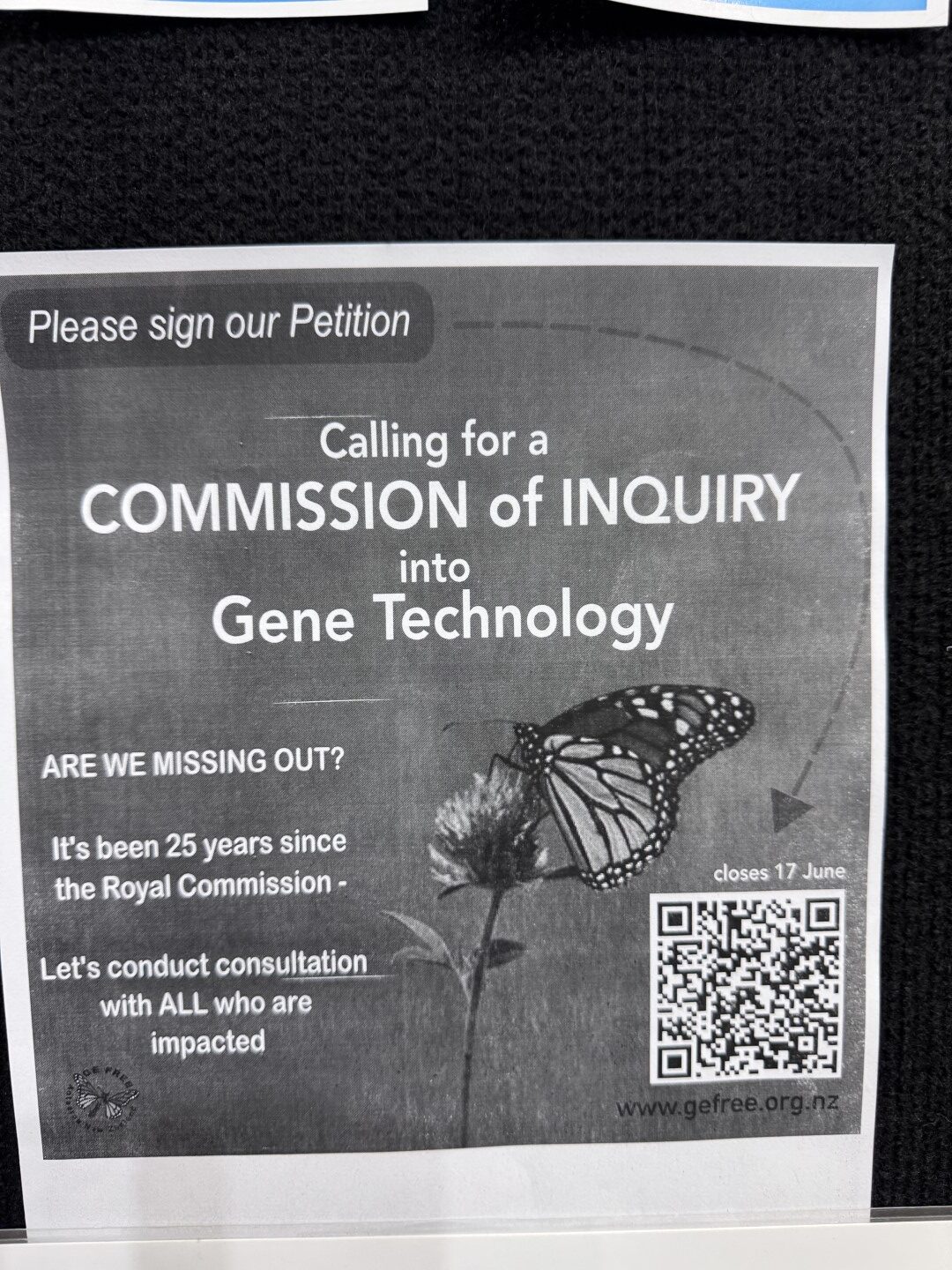
Links
gefree.org.nz
gehonesty.nz
oanz.org
Show Transcript
This transcript was generated by an AI and may not be 100% accurate. If you have questions about any of the information found here, please reach out to us.
Sam [00:00:21]:
Okay? Hello, welcome back to Field Days 2025 podcast episode. I’m here with J. Jon from GE Free New Zealand. He’s been here at Field Days handing out pamphlets raising awareness about being GE Free here in New Zealand. And he said that a lot of the media won’t talk to him. But guess what, we’re not normal media. So we’re here talking to Jon. Gonna find out a whole bunch more about GE Free.
Sam [00:00:46]:
To be honest, I know maybe a little tiny bit, but I’m gonna say not as much as I should.
Jon [00:00:53]:
Well look, I think you’re right. Lots of people, mate, lots of people have heard of genetic engineering. They’ve heard about GMOs. They might be aware that we haven’t got any GMOs growing in New Zealand. But over the last 10 or 15 years the industry have been working away to change our rules and they’re winning. So there’s a new bill from the government called the Gene Technology Bill. It’s been written by industry for industry. They haven’t thought about the farmers, they haven’t thought about the exporters and, and they certainly haven’t thought about the consumers wanting choice, wanting non GMO food.
Jon [00:01:24]:
So what this bill is doing is deregulating a whole lot of new organisms that will be gene edited. Now gene editing is a new form of gmo. Consumers all over the world know that gene editing is GMOs. So gene editing is genetic modification. And the courts say that, the independent scientists say that. But what industry is saying is ah, we can now gene edit things that are almost like nature. So what we’re going to do is, is we’re not going to regulate them, we’re not going to tell people that we’re introducing GMOs so farmers won’t know that this is a gene edited product that they’re growing and it’s not just plants. But the plan is to exempt from any regulation in New Zealand.
Jon [00:02:03]:
Now remember, we’ve got the strictest regulations now there’s no ban on GMOs but you’ve got to show it’s safe for people, safe for the environment. But what happens is that now the government’s saying, well we’re not going to, we’re going to leave the companies to listen to this mate, we’re going to leave the companies to self regulate. The companies will be in charge of the chicken house. So this is the problem. And so the government has announced that a whole lot of things will be in this gene technology bill, but it’s what’s not in the bill that really matters. So what’s not in the bill that we have now is things like the precautionary principle, where that whole thing about do no harm, so a doctor’s not supposed to kill a patient. So the same thing happens in the environment where there’s this rule that says the precautionary principle, if you don’t know what you’re going to do to nature, then you don’t do it. Yet they’re getting rid of the precautionary principle.
Jon [00:02:54]:
The bill also stops local councils like Hastings and Northland having regional protections on GMOs, like precaution. So it’s taking away precaution. Locally, it’s taking away ethics. So there’s no ethics in the bill. In the old bill, in the current regulation, you have to worry about, are you going to do something really bad to humans or the animals? No ethics, no liability. So if your crop, your GE crop is allowed in New Zealand, it contaminates somebody else’s crop. Bad luck, mate. No liability, no traceability.
Jon [00:03:25]:
So you don’t even know it’s a GMO crop until maybe the export market says, oh, your crop’s gmo. Never knew that. No, we didn’t know that either, thanks very much. We can’t sell it. So this is what’s going down. Some people have heard about it, a lot of New Zealanders haven’t heard about it because people have been lulled to sleep. We’ve got no GMO food. When you go to shop that vegetable, that fruit grown in New Zealand is non gmo.
Jon [00:03:51]:
It’s GE free. And it has been fraternity, in fact. And by bringing in GE and GMOs into New Zealand as planned, the least they can do is keep them separate and allow people choice. It’s very hard to keep things separate in the field. Maybe you could grow them inside somewhere. Honeybees don’t know where they go and where they’re not supposed to go. So basically they’re about to unravel. One of the big points of difference for New Zealand and the global market.
Jon [00:04:18]:
Consumers all over the world want GMO free food, especially the ones who aren’t really poor, the ones who can afford a bit better. Most GMO food produced around the world is going into animal feed or very cheap oils, and you might even get it imported into New Zealand’s cheap oils. But none of the food grown in New Zealand is gmo. And the point is all our exports. The headlines this week, record breaking exports for farm products. This is all non gmo. The market is overseas, in India, in China and America is growing at 10, 15% a year for non GMO. So if the government gets away with this and brings in GE into New Zealand against farmers wishes actually to some extent.
Jon [00:04:59]:
I mean some farmers might want it, but then the other farmers who don’t want it are going to get it. Unless we regulate it, unless we register the new organisms, unless you trace the new organisms and have some kind of separation system.
Sam [00:05:10]:
Hey, you asked for it. Yeah, no, that’s crazy. I got a couple of questions or thoughts. I guess obviously it sounds like they’re doing what they want to do with this is similar to what they want to do with fisheries. And the fisheries can regulate themselves and not have cameras and do whatever they want. And you know, pillage, which is not good. New Zealand’s in a really good spot I think. Tell me if I’m wrong because we’re so isolated from other places that that’s why our biosecurity is so high because we don’t want these pests and things in.
Sam [00:05:40]:
This obviously brings in a whole range of different problems. And like you said, you know, we’re going to get cross pollination or whatever, things like that. So you might have a farmer that’s not on board and somebody does. I got two questions, I guess. Is there a place for genetically engineered food in general? And I know you talked about regulation and things like that. Is there a place for this in New Zealand or are we just too lax that it’s just not even worth it? And if we did go down this path and that bill went through, I guess we can’t undo it.
Jon [00:06:10]:
Let’s start at the end. This is the point. We can’t undo it. So if we do drop our strict regulations and labeling and traceability of GMOs or which is what’s being proposed, then we do lose it. That’s a big loss for everybody. That’s why we’re fighting. But going back to your Is there a place for GM food? Well, it’s a great question because it’s a technology looking for a market and has been for 20 years. In America, most of the GM crops that are grown are of two types.
Jon [00:06:38]:
The main one is made to resist Roundup so they can spray more Roundup onto the crop before they harvest it, which is what’s happened. So roundup is now 200 times more prevalent in the food than it was before. Now, even in America, where they weren’t allowed a choice, where there was no labeling, they’ve ended up getting labelling through the thing called the non GMO project, which Fonterra is a member of. Fonterra ship milk to America from New Zealand saying it’s non gmo. So Fonterra know that the market doesn’t want it. So to answer your specific question, is there a role for GMO food? Probably not, because everything that’s been done with GMO and even the new CRISPR and gene editing techniques that they want to use, there’s actually already a solution. It’s either in organics or it’s in regenerative at the moment. Talk about technology.
Jon [00:07:25]:
I know that’s your focus. They’ve got a technology tent, a science tent here. And guess one of the things that they’re not just drones. You think, oh yeah, drones and machine. Guess what the technology in inverted commerce is mixed forage. Mixed plants that are known to reduce methane from cows by 30%. Dairy NZ did the research 10, 15 years ago. But the problem with mixed forage is you can’t really say it’s a technology.
Jon [00:07:49]:
You can’t really patent it. I guess that’s maybe what they’re trying to do. But farmers are being sold inputs, artificial inputs, a treadmill of consumables by their agents. And so GMOs and GM crops is the same thing. They’re not giving them away. There’s a patent on every natural organism there will be if they can patent it. And in a way, that’s what’s happening. GMOs have been introduced almost to piggyback on nature, but give ownership of an organism.
Jon [00:08:18]:
So you might find a naturally occurring. This is actually happening, a naturally occurring resistant crop to drought. Although that’s very complex, to be honest. It’s not that simple. But some natural occurring gene, that’s very appealing. A company will then take it, genetically engineer it into another crop and say, now we own this gene. And that’s where the big threat is going through to the future. What they want to do is they’ve stopped genetically registering and patenting seeds and plants.
Jon [00:08:47]:
Now they’re patenting traits T R A I T S. And that’s a naturally occurring trait inherited by humanity and nature for billions of years. And then they’re going to spot a trait that does something really good like be resistant to drought. And they’re going to then patent this naturally occurring sequence and they’re going to say to every farmer and grower in the country and the world. You want to use this drought resistant crop, you pay us the clip, mate. We’ve got a patent on this. So this is patenting the commons. This is ownership of nature.
Jon [00:09:20]:
It’s been going on for a while and we’ve got to stop.
Sam [00:09:24]:
Seems like a slippery slope and I’m guessing money and greed are playing a huge part in this.
Jon [00:09:30]:
So liability and insurance and damages have to play the flip side. So that’s the thing. I mean, the deal has been in New Zealand and globally is if you’re going to have it, you have to label it and have people have a choice. And if something goes wrong, you need some insurance to cover it. Or like, for example, even field trials that we’ve had in New Zealand have cost money to clean up because the company went bankrupt. There were some sheep, 2000 of them 20 years ago. GM sheep died or had to be killed because the company went bankrupt and the product failed. But there was no money left by the company to pay for the cleanup, so the public paid.
Jon [00:10:03]:
Which is one of the reasons why councils like Auckland and Whangarei and Northland and Hastings have got these protections in the regional plans that say, oh well, if you’re going to do it in our area, you’ve got to register it, you’ve got to put a bond up to clean it up and preferably you don’t do it at all. Now those rules are being taken away by the Gene Technology Bill. Precaution, as I mentioned earlier, a fundamental pillar of this really clever technology that could be really dangerous. You’ve got to be a bit precautious, guys. Taken away at the national level, you want to be precaution locally in Northland, naturally Northland Food or Hastings, Clean G free food. No, you’re not going to be allowed to do that under this bill. So there’s a real power grab by not just local biotech companies, but global biotech companies to get little New Zealand under their thumb because we stand out. No gmo, booming exports from our farms.
Jon [00:10:57]:
Who do you think wants booming exports from our farms outside of New Zealand? The Americans don’t want that. No, none of our competitors want that. We’ve got an asset whether you like GE or not, whether you like GMOs or not. We’ve got an asset being non GMO. Our exports are GE free. We’ve got to protect that wherever we go into the forward. And of course medical uses and contained research, all of that is a different debate. There’s things to be Worried about, but not in the same way when it’s blowing in the wind, blowing in the field.
Sam [00:11:27]:
Great points, big things to think about. What’s your background and how did you get to here today?
Jon [00:11:32]:
Talking to me, I found out about them importing GM soy into New Zealand 30 years ago. And I phoned up that one of the chief scientists in Britain, it was the early days of the Internet, I’m not even sure, but definitely didn’t do it on the Internet. And I phoned up. He’s dead now, but Dr. Arpad Pushti, he was the leading genetic engineer for the British government. He went on tv, on British television to announce his research showed there was something wrong with the GMO process or the way they were doing it that needed further research. It shouldn’t be in the food. And that’s when the story started.
Jon [00:12:02]:
His office was closed down. They said, oh, he’s old and confused, even though he’s the chief scientist. The Americans called up the UK Prime Minister and said, look, stop this guy from talking. And unfortunately, or fortunately for the public interest in nature, he didn’t stop talking. Other scientists followed up his work and said, oh, no, he’s not an old, funny, duddy, confused guy. His research shows in rats that there’s problems with GM potatoes and they need to be regulated and tested. Another guy called Professor Serolini in France, his name is dirt in the biotechnology industry because he did the similar experiments. He showed rats getting sick from Roundup and the GM process, or maybe both, maybe one or the other.
Jon [00:12:43]:
But the research has never been followed up. So unfortunately, it’s a money versus public interest game. So one of the things that people are calling for, if the government wants to push this through, then they’ve got to hold the companies making the product liable. They need to register it and say, oh, this is our product. Oh, sorry, we screwed up your crop. So you can pay your compensation. Liability is one thing. Insurance, which is the final point I’ll leave you with.
Jon [00:13:08]:
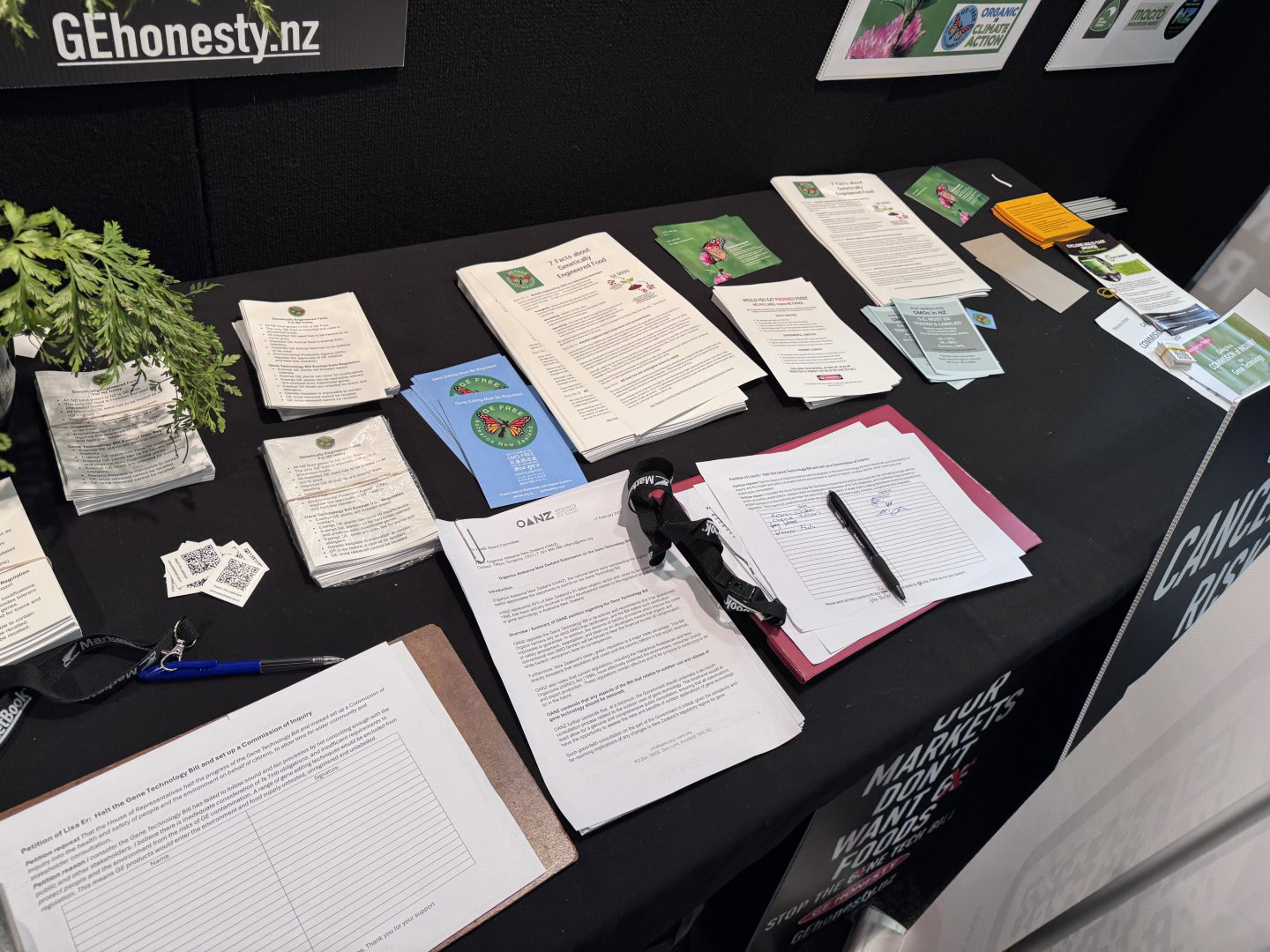
The insurance industry have not been keen to insure GM crops because they’re blowing in the wind, they’re interacting with nature, they’re going into people’s gut and they’re going in and infecting the gut. Biome. So there’s not a lot of appeal to insure the risks. So what the public have been left with is socialized risk and the public pay and there is no insurance. So with this bill coming along, one of the things is stop the bill. And there’s a petition by Lisa Eyre. You might have come Across Lisa’s Hummus in the supermarkets. She started that company 30 years ago as a mum saying people want GMO free food and she started Lisa’s Hummus as a GM free product.
Jon [00:13:45]:
She’s no longer involved in the company, but she’s got a petition, parliamentary petition up, so please look out for it. Lisa Ayres parliamentary petition to stop the gene technology bill and hold a public inquiry because they can’t let the companies run the chicken house.
Sam [00:14:00]:
No, you’re 100% correct. I agree with you on that. We’re gonna break this up real just for a second here. We have this little sack of random questions. I want you to pick two, read them and you can answer one. They’re pretty low key, nothing to worry about. You got. Here we go.
Sam [00:14:14]:
There’s one.
Jon [00:14:14]:
Thank you.
Sam [00:14:15]:
There’s another one.
Jon [00:14:16]:
What’s something you’d bring back from your.
Sam [00:14:18]:
Childhood or.
Jon [00:14:22]:
This nice street bought is something on your bucket list, I think. Can I do something specific to my childhood?
Sam [00:14:30]:
Yeah, sure.
Jon [00:14:31]:
A sense that you could believe what you see on the Internet. Sorry, you didn’t have the Internet, that you could believe what you saw. This is totally naive, I know that, but, you know, you used to watch the TV and you kind of vaguely believe it and he certainly watched. Somebody showed you a photograph, possibly not on their phone in those days, but showed you a photograph, you say, oh, that’s a nice photograph, you’d believe it. And I’ve actually just done an exhibition about this. But as an artist and photographer, I’m very concerned that we now live in a world where you can’t believe anything, certainly not what you’re seeing or hearing, unless you’re there with them, like I am now with you, mate. So I know that you’re recording this, you know that I am actually saying this and I am not an AI reporting a false report.
Sam [00:15:13]:
That’s true. I saw something online the other day and they were talking about that. Exactly what you said. And it was like, are we going to get to the point where we’re going to step away from the computer and the screens and things we’re seeing online because we can’t tell what’s real. And we’re going to have more interactions face to face because we know that’s real.
Jon [00:15:31]:
Well, I think Taylor Swift knows that and all the pop stars know that. Of course you can watch it on video, but the mass audiences, that’s what it’s all. It’s always been about that. I guess it’s more like that now. I was there I saw it, mate. I loved it. I love that concert. I love that performance.
Jon [00:15:45]:
I love that play. I think so, yeah. I mean, certainly the real world is. The real world is coming into its own simply because the fake world is so confusing and dodgy.
Sam [00:15:54]:
Okay, we’re going to wrap this up. Thanks so much, Jon. Where can people find out more? Where can they go? Do you have a website? Do you have a social media presence? Anything like that? Just let us know.
Jon [00:16:04]:
Well, there’s a number of groups. Can I mention them all?
Sam [00:16:06]:
You sure can.
Jon [00:16:07]:
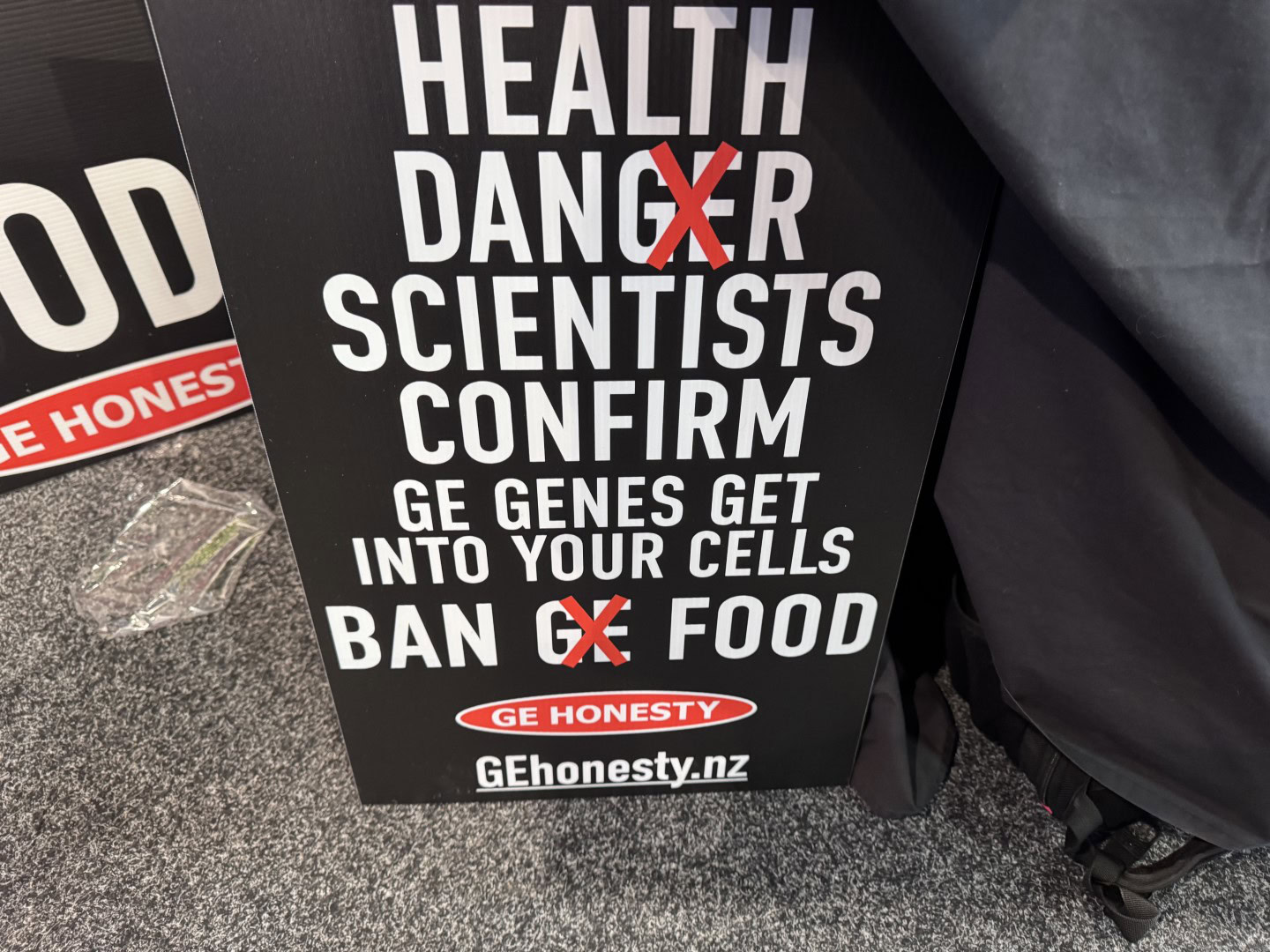
Geonesty nz gfree.org nz is my organization. There’s also oans o a n z.org which is the organics organization. But all of us and actually even federated farmers have been worrying about this bill. Even the big guys are saying, hang on, you guys at government, you’ve taken something here, mate. You’ve taken some pill that’s handed over the future of our farming to industry and not the farming industry. So please look up geonesty.nz or gefree.org nz and you’ll find out a lot. You don’t need to know a lot. Just please be aware that the right to choose the labeling of GM food in supermarkets, what farmers know they’re planting or not planting, is about to be taken away by the government.
Jon [00:17:00]:
So as well as looking into those websites, look out for Lisa Urs petition to stopped the GE bill and set up a public inquiry. Lisa Urs petition at the parliamentary site.
Sam [00:17:11]:
Awesome. Thanks so much for talking to us, Jon. If any of that resonates with you, make sure to check out our show notes@the Chrisandsampodcast.com we’ll have all the links to the websites mentioned. Thanks so much.
Jon [00:17:21]:
Thank you.
Where you can find us
Get Patreon Perks
Our Facebook Page
Visit us on Instagram
Chris’s Website
Sam’s Website