Summary
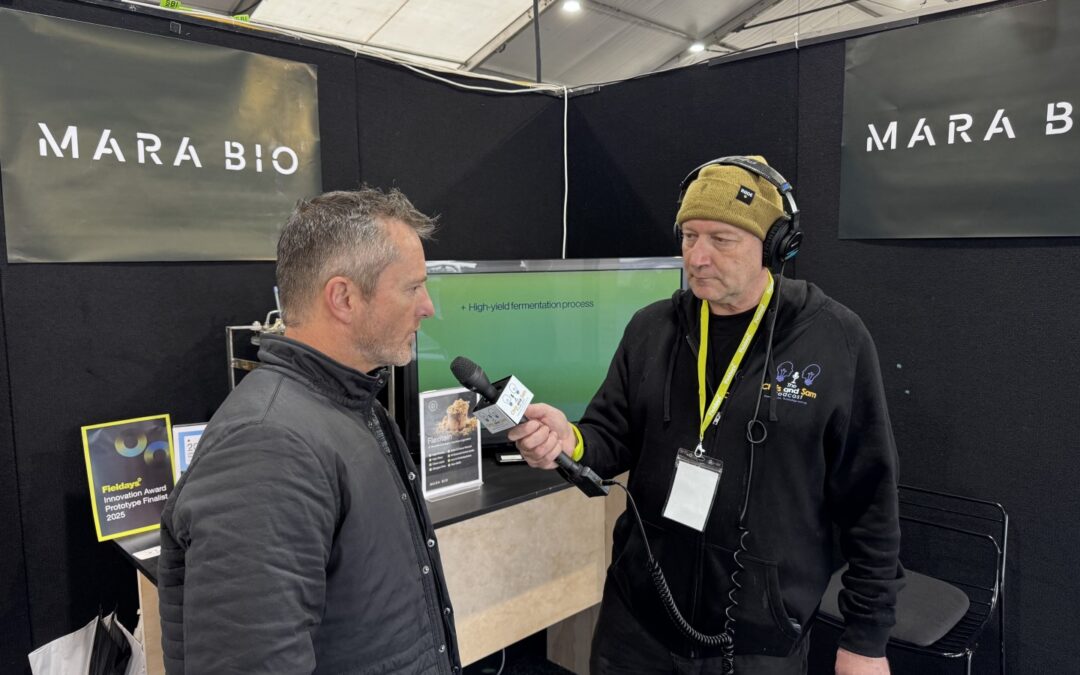
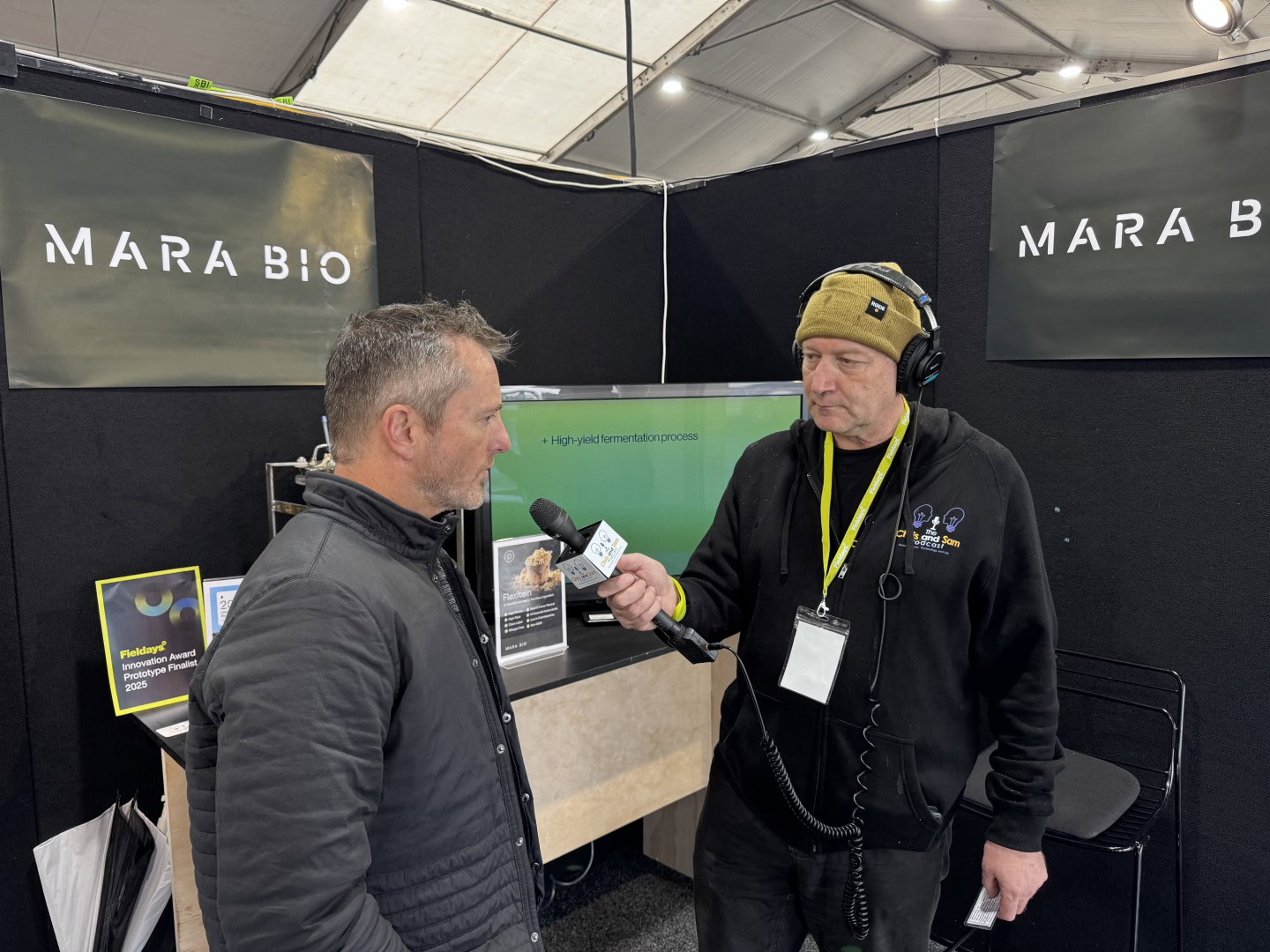
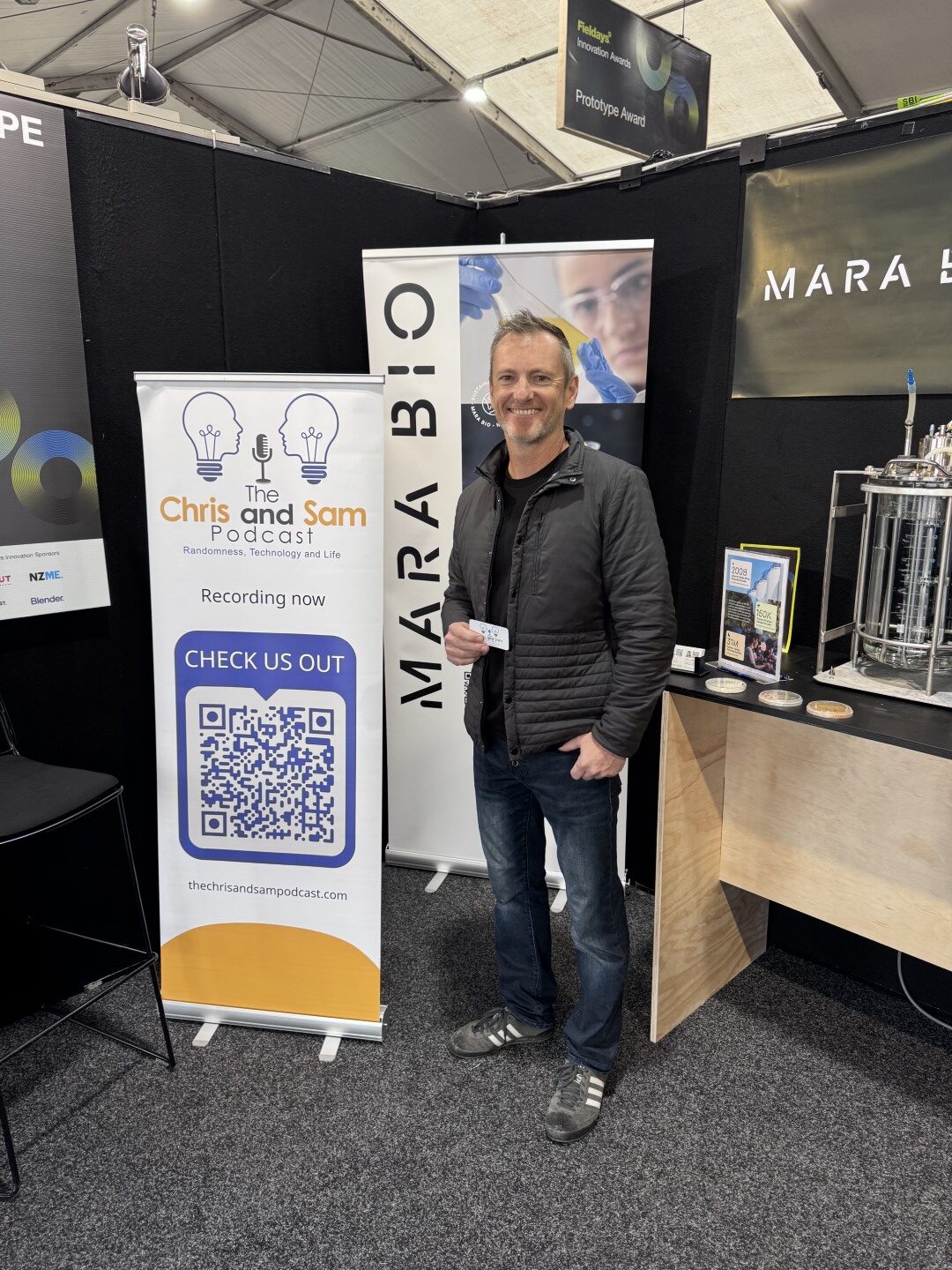
Chris and Mark explore the fascinating world of food biotech from the innovation tent at Fieldays, where we hear all about how Mara Bio is turning dairy industry waste into sustainable mycoprotein.
Mark explains the science behind their fermentation process, what makes their protein different from others on the market, and the challenges faced on the startup journey.
Photos
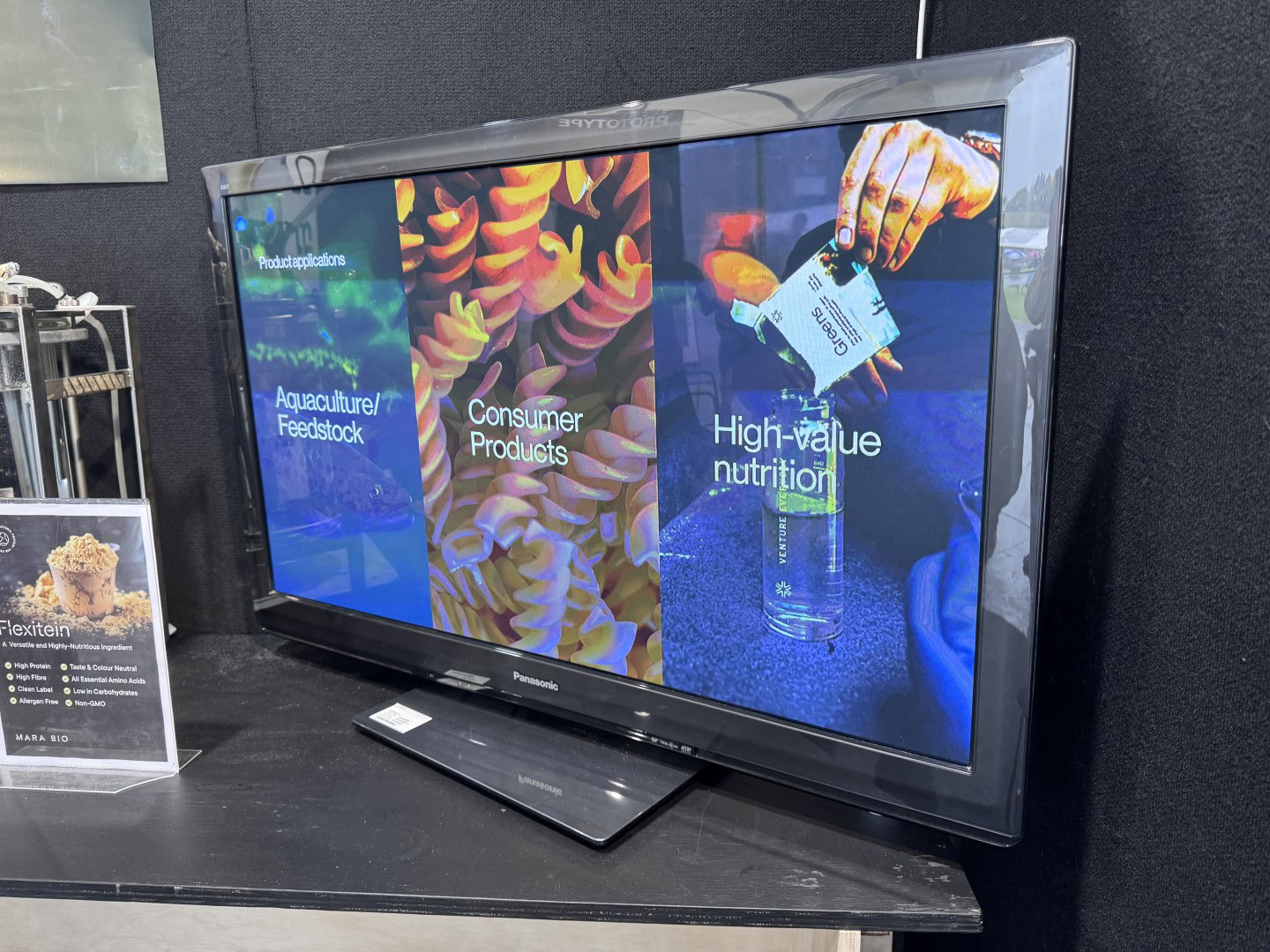
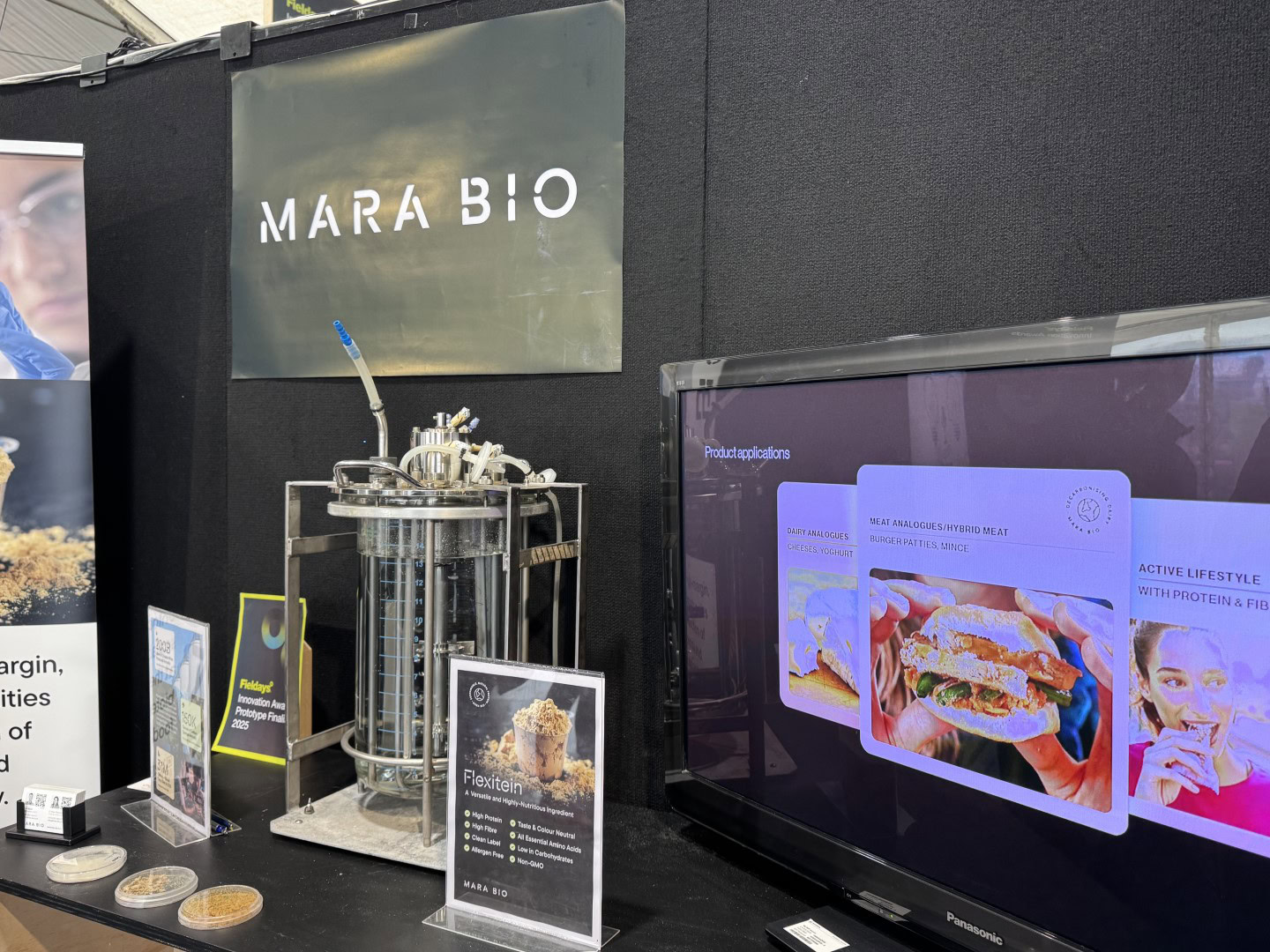
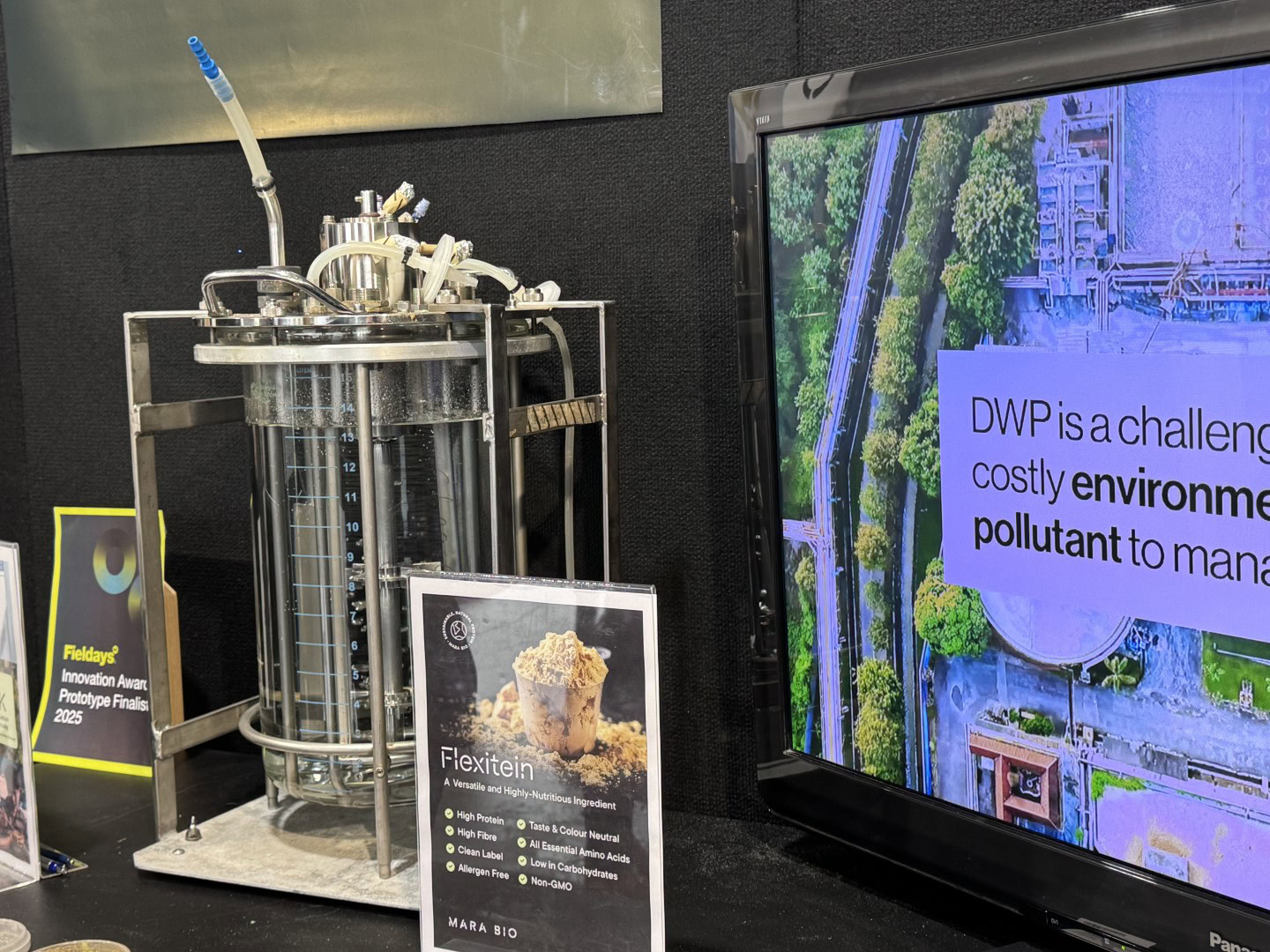
Links
Mara Bio Website
Mara Bio LinkedIn
Show Transcript
This transcript was generated by an AI and may not be 100% accurate. If you have questions about any of the information found here, please reach out to us.
Chris [00:00:21]:
Okay, so we’re in the innovation tent for 2025 Fieldays and I’m with Mark from Mara Bio. Have I said that right?
Mark [00:00:30]:
That’s correct.
Chris [00:00:31]:
So, Mark, give us the overall thing, who you are and what Mara Bio is about and what you’re doing here.
Mark [00:00:38]:
I guess, yeah, sure. Thanks. Mark Balchin is my name. I’m CEO and co founder of Mara Bio. We’re a food biotech company and what we do is we valorise waste streams from the food industry and turn it into protein. In this case, we’re taking waste from the dairy industry and we’re doing a fermentation process to create mycoprotein.
Chris [00:00:58]:
Cool. And so what’s the origin of that? How did you get started with that? Why did you focus on this particular waste stream?
Mark [00:01:08]:
Yeah, we wanted to start a business that had an impact and one that could have a global impact. So sustainability is a big driver for us. So we started looking at different food industry side streams, what we could valorise in them. I’m a biotechnologist by qualification, so interested in fermentation. So I started looking at different microorganisms that we could use to valorise different components within various side streams. And one of the ones that we thought we could have a big global impact on was acid whey and whey permeates from the dairy industry. And being from New Zealand, why not take on that challenge?
Chris [00:01:44]:
Yeah, yeah. We’ve got a bit of dairy here. So now my first question, when we were just starting to talk before and I was like, hang on, we’ll get the microphone out and stuff, was that. I’m like, well, isn’t that already done? We’ve already got whey protein powder, because I have some of that and that sort of thing. I’m a vegetarian, by the way, so the whey protein I’m quite happy with, as opposed to some of the other proteins.
Mark [00:02:10]:
So.
Chris [00:02:11]:
But what makes this different, what you’re doing?
Mark [00:02:14]:
So the actual protein itself is quite different to other proteins currently being made, particularly plant proteins. So our protein is a mycelium product, it’s a fungal organism from edible fungi. So it’s basically the root structure of mushrooms that we’re growing in a fermentation process, a bit like brewing beer. And the functionality of our protein is quite different, as I just said. So it’s got much more functional attributes like water binding, fat binding capacity. As an ingredient for CPG companies. But from a consumer standpoint, it’s got full amino acid profile, it’s highly digestible and bioavailable and contains fibre, which not many proteins do.
Chris [00:02:54]:
So what is the. Other than those bioavailable aspects, what’s the difference in output and technique, I guess for a better word, between using yeast that they use in the other ones and the fungi or mycelium that you’re using with this?
Mark [00:03:13]:
Yes. So when you use yeast to create bioidentical proteins, that’s a process called precision fermentation and it uses genetically modified organisms to do that. And there are companies out there doing that. What we’re doing is we’re using a non GMO edible fungal strain to produce mycelium. And when the mycelium grows in our system, it uses the lactose which would otherwise be disposed of from the dairy industry. So it’s a sustainability play. 200 billion litres of whey are produced globally. Of that, only 50% is used to make whey proteins, but we can even use the waste from the whey protein manufacturing process.
Mark [00:03:51]:
So we think that we can save about 150,000 tonnes of carbon per 100,000 litres of this process. Problematic waste stream that we can valorize.
Chris [00:04:01]:
Wow, that’s impressive. And where do you see yourself going? You’ve mentioned that this is a global thing that you’re looking at. Where are you in that journey now? Where are you at now, today, when you’ve got to the innovation tent? And what’s the roadmap for you?
Mark [00:04:22]:
Yeah, look, we’ve been doing the research and development on this technology for the last couple of years. We’re obviously in the innovation hub here at field days and we’re at prototype stage. So what you see here is the extent of our development. So we’re looking to partner with dairy companies locally and globally who have this problematic waste stream to valorise and work with them to build pilot plants and demonstration scale plants over the next 12 to 18 months. And then we’re looking to commercialise in about three to five years time.
Chris [00:04:54]:
Cool. Sounds like you’ve got a plan altogether. What unexpected hitches or hiccups or challenges have you come across so far?
Mark [00:05:03]:
I think like any startup in New Zealand, funding’s always a big problem. So we’ve been self funded for a number of years now. This is my third business, so I’m well versed in startup land. But technically, what we’ve been able to do has been quite challenging. No one’s been able to do this before globally, with this particular side street. So it’s very innovative. We’ve had lots of challenges along the way, but we’ve started off with prototypes that were relatively low in protein and fibre to a product now that is 50% protein and 20% dietary fibre, which is really high, and we’re looking to improve that even further.
Chris [00:05:41]:
Yeah, no, that. That actually does sound really good. I’m going to get Sam over here. We’re going to get you to pick two questions, random questions out of here. And of the two, you can decide which one you want to answer because it’s not fair to make you just pick one. Yeah, we haven’t done this before, so pick two. Decide which one you want to do and then I’ll get you to read out the question you choose and then answer it.
Mark [00:06:04]:
Well, I don’t know much about video games, so I’ll choose this one. If animals could talk, which would be the rudest? Well, I’m not so sure about that. Well, seeing as there aren’t field days, I’ll probably go with cows because they get milked every single day and I’m sure they’re not too happy about it.
Chris [00:06:23]:
Yep, that’s a fair call. That’s a fair call. And how has. I mean, it’s only day two here in field days as we’re recording this. So how has the. How has it gone so far for you guys?
Mark [00:06:35]:
Yeah, it’s been really good. We’re getting a lot of good buy in from dairy farmers themselves. They like to see more value return on their milk. So basically what we’re doing is we’re creating even more value for the milk that they’re producing every day by valorising this particular waste stream. And we know that there’s going to be a big global gap in protein in the next few years when the population of the world increases by another 2 billion people. So in order to get more nutrition to those people, we need to look at alternative ways of producing food for them. And we can do this using our technology, using the same inputs that we’re currently doing. So it’s great to see farmers being engaged.
Mark [00:07:15]:
We’re not competing with farmers, we’re not doing anything but supporting what they’re doing and creating more value from their milk. So it’s really positive.
Chris [00:07:23]:
That’s awesome. Alright, so finally, where can people find out more about you online or social medias or whatever? How can they get hold of you?
Mark [00:07:34]:
Yeah, we have a website, marabio.co.nz, and of course we’re on LinkedIn and all the normal social platforms. So, yeah, feel free to look us up and join us on the journey to create new mycoproteins for the future.
Chris [00:07:47]:
Fantastic. Thank you very much, Mark.
Where you can find us
Get Patreon Perks
Our Facebook Page
Visit us on Instagram
Chris’s Website
Sam’s Website