Summary
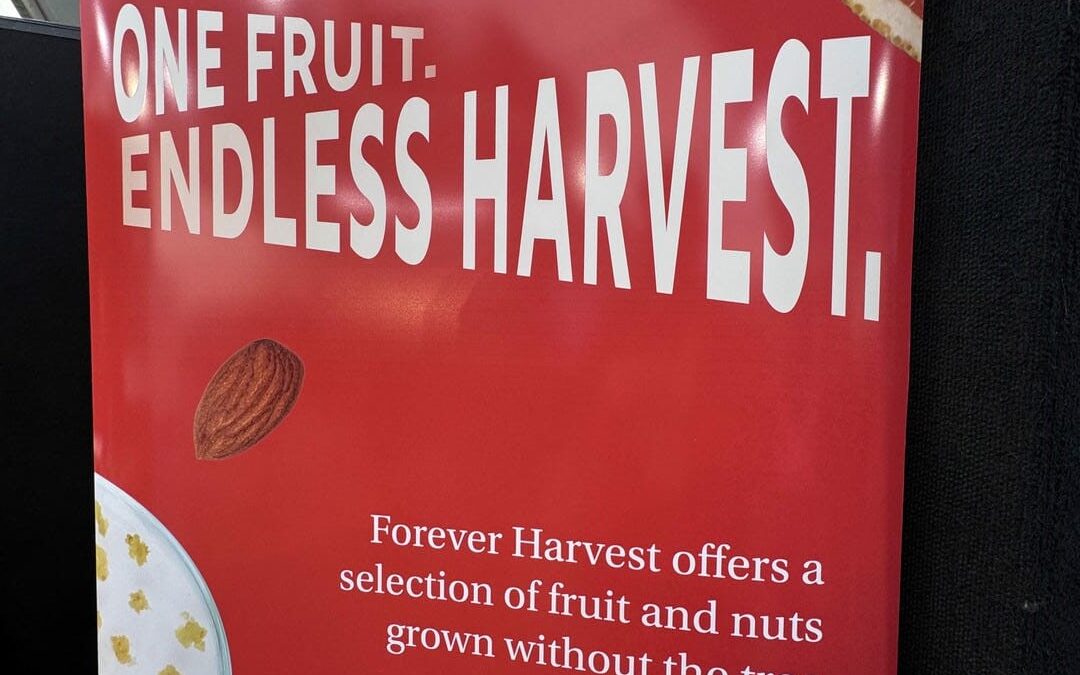
In this chat, Chris sits down with Mick from Forever Harvest to explore a new frontier in food production. They dive into the science of growing fruit and nuts without trees, the rise of lab-made ingredients, and what this means for the future of global food security.
Mick also shares the agritech innovations driving their mission and the real-world startup journeys behind it all.
Links
Photos
Show Notes
This transcript was generated by an AI and is probably not 100% accurate. It pays to listen to the podcast, but if you have questions about any of the information found here, please reach out to us.
Chris [00:00:21]:
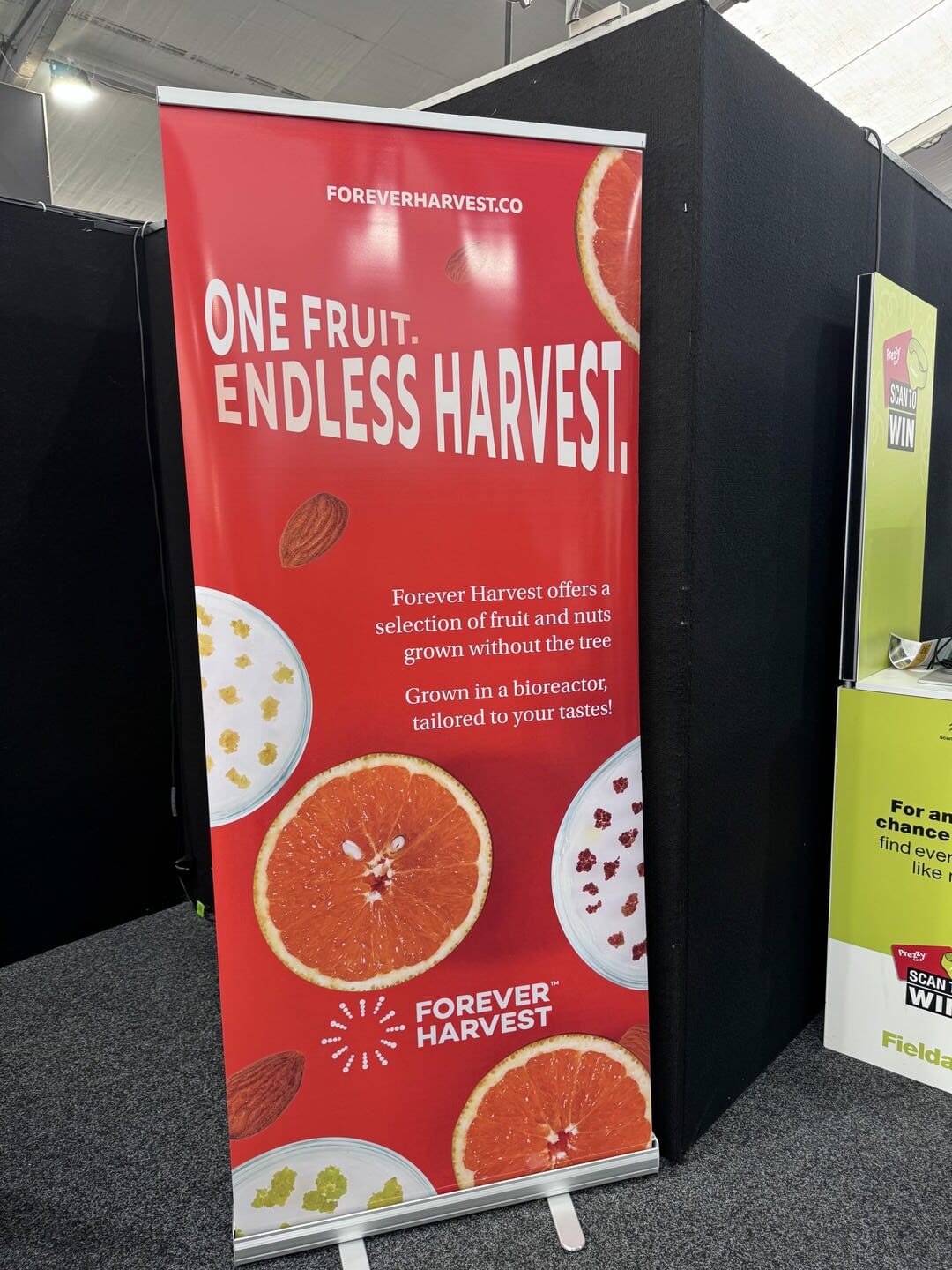
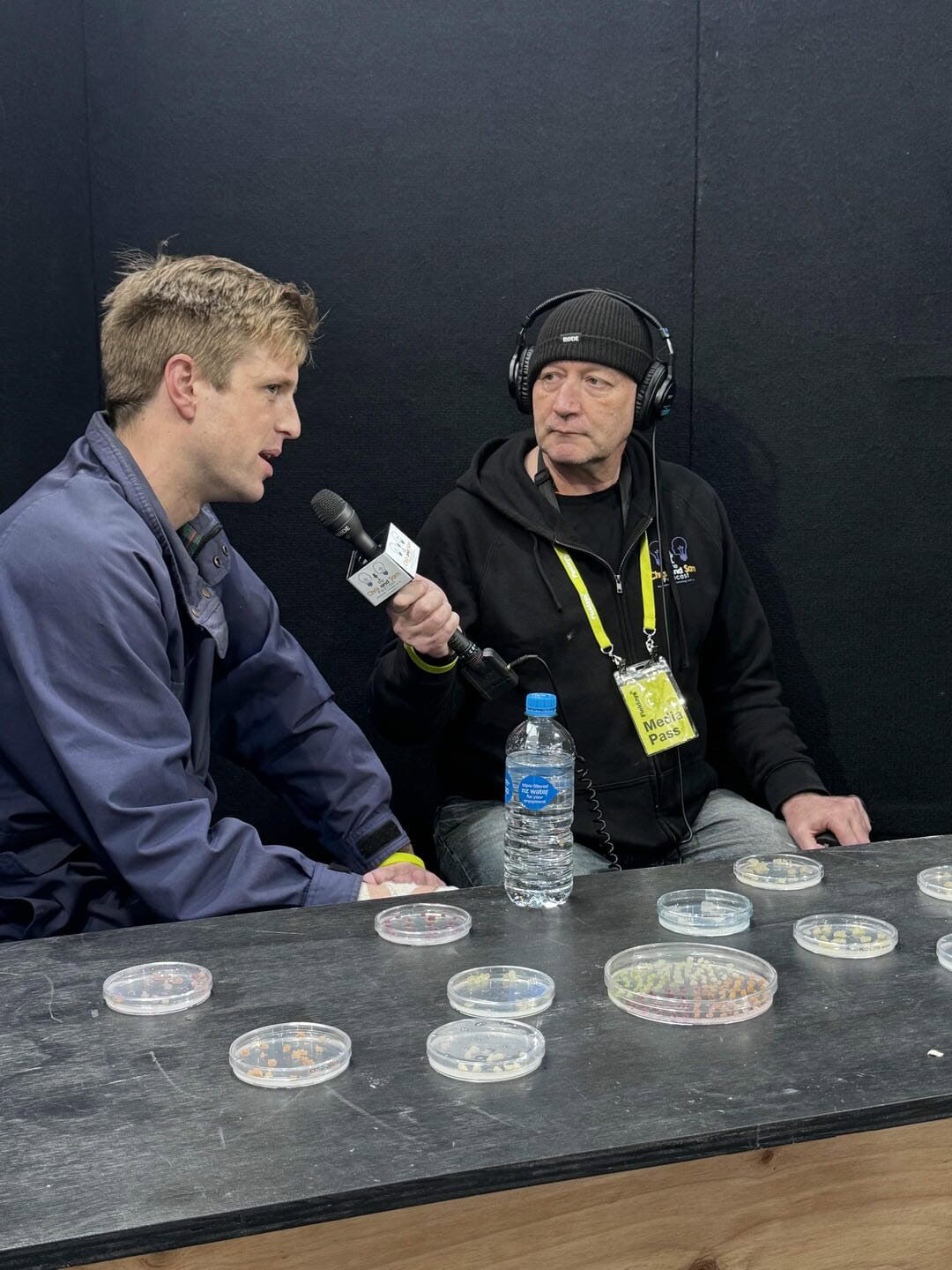
Okay, welcome to 2026 Field Days. This is our first interview of the day, actually. Forever Harvest in the innovation tent. And we went past and went, okay, grow fruit and nuts without the trees or something like that was the tagline. So I'm going to talk to Mick about that and find out what the hell's going on. So Mick, tell me a bit about this Forever Harvest.
Mick [00:00:43]:
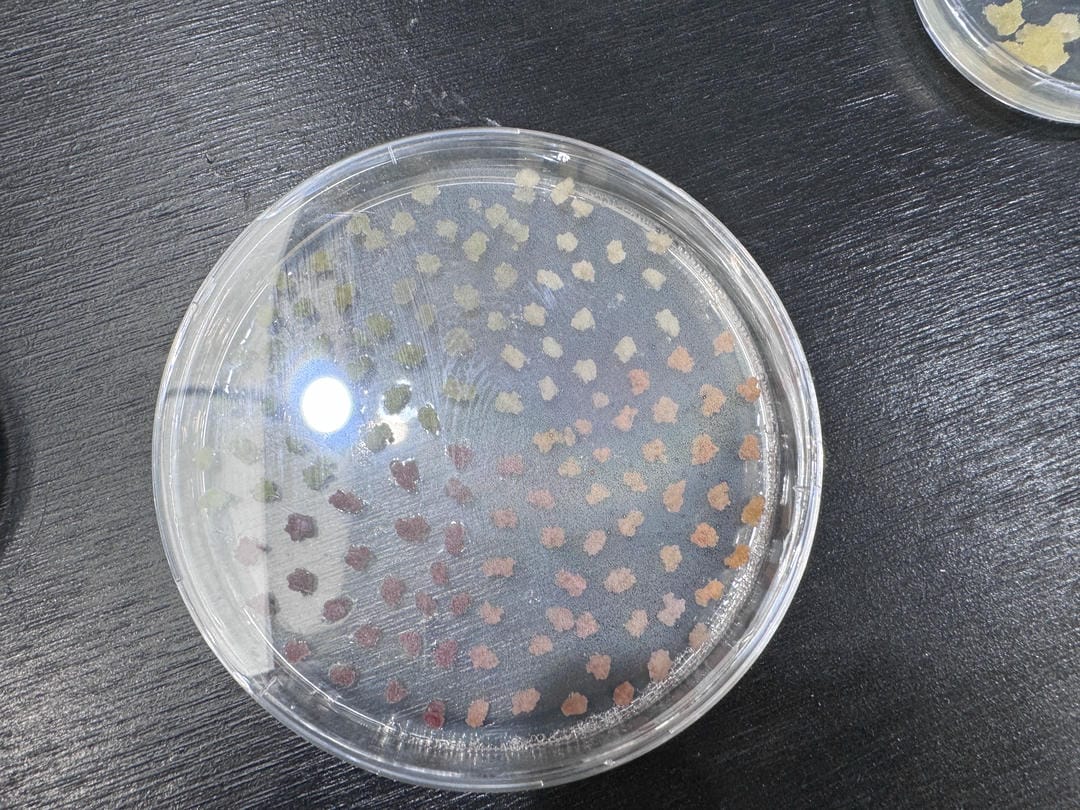
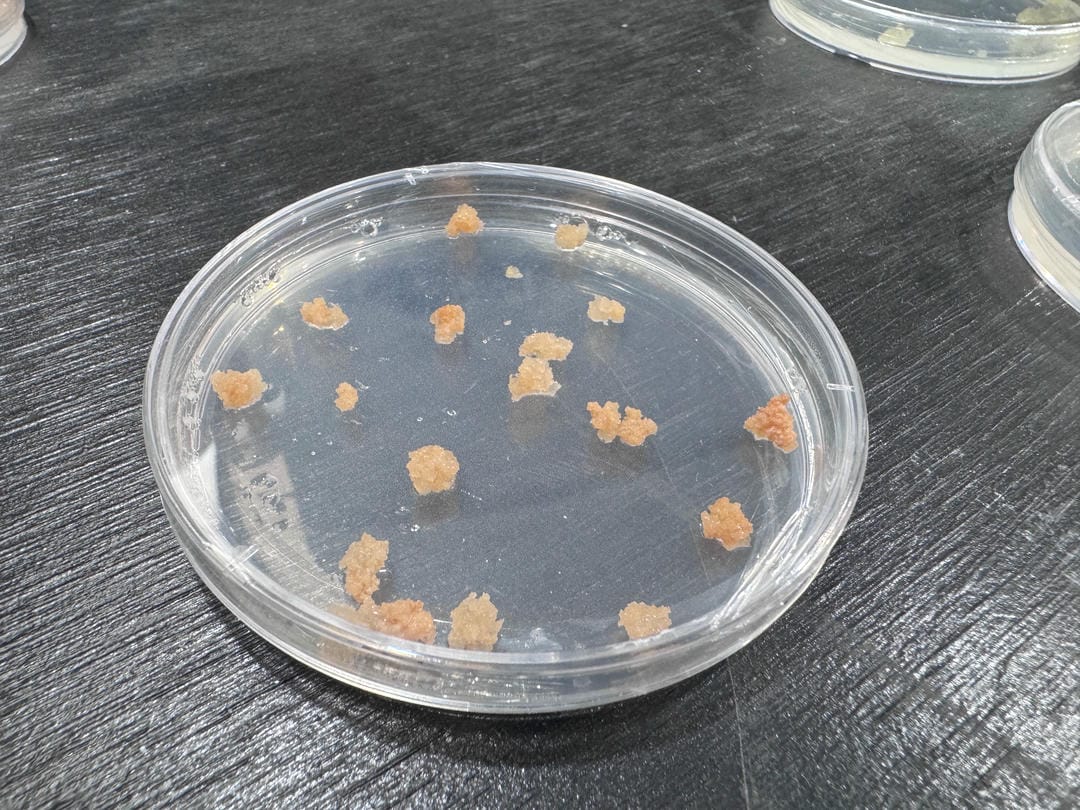
Yes. So we are Forever Harvest. My name's Mick. So we are a spinner of the Bioeconomy Science Institute. We spun out in February and we are creating fruit and nut ingredients in the lab. So without the tree, we, we're growing fruit tissues. We've grown a variety, we've grown, you know, about 20 different fruits and nuts. And yeah, it's an ingredient for the world.
Chris [00:01:07]:
So when you say ingredients. So if I was making like, I don't know, a fruit and nut muffin, that's sort of what it's going to be used for.
Mick [00:01:17]:
No, so it's not really designed for kind of consumers at this stage. So we're really going for industry. So some of the big like flavour manufacturers of the world or ingredient manufacturers of the world, so we can create essentially products which have tailored compositions to whatever the industry needs. So if they need say a specific flavour ingredient or they need a specific bioactive, we can upregulate that compound in the fruit.
Chris [00:01:47]:
Right, I got you. So it's much more industrial level. And so if you are making for example a hazelnut flavoured something or other, that instead of using actual hazelnuts, you could use this bio created stuff.
Mick [00:02:02]:
Yeah. So the idea is kind of, it provides supply chain security for a lot of these huge companies. So with hazelnuts, for example, it's a very focused, it's a very focused manufacturing site. So it's all largely in Europe. What we can do though is we can allow people to grow hazelnuts anywhere in the world. So you can grow them on site
Chris [00:02:23]:
next to your factory.
Mick [00:02:24]:
You can grow them regardless of the season. You can grow them, you know, with limited water, no land use and. Yeah, so you can make a product which is, which is fit for your need, for your hazelnut need, essentially.
Chris [00:02:36]:
Now that's excellent. I think that's why I mentioned hazelnuts. If I've got it right, that's one of the most water intensive crops that there are. I might have got the wrong variety of nuts. But I know there are some. Almond.
Mick [00:02:49]:
Almond. Almond.
Chris [00:02:50]:
That's probably what I was thinking of then, almond. So I can see the benefits in doing this. So where are you on your journey in this whole process now?
Mick [00:03:00]:
Yeah, so we've formalised the company in terms of the science we were at is we have done it in liquid bioreactors, so we've done it in a one litre tank at the moment. The idea is from here is that over the next, like three to five years, we're going to be scaling up into kind of, you know, thousand litre, 5,000 litre reactors. We can grow this, you know, as needed in terms of where we're at commercially. We have samples available so we can provide samples of up to one kilo to our industry partners where they can provide us feedback, they can do product and corporation tests.
Chris [00:03:38]:
Yeah, okay. And so is there a lot of this sort of thing going on? Like, is this something like you've just started doing this, is this a common thing or is this a new industry altogether or where are we at in the world of this?
Mick [00:03:52]:
It's a pretty new industry. So there's, I mean, maybe seven companies globally doing this. They're all focusing largely though on cocoa as the main crop people are doing at this stage because of deforestation and rainforests around that. So we are right at the forefront of it. So we've done the widest variety of crops is our understanding. It's all totally food safe at this stage. Recently there was news articles that one of the big people in America have partnered with a cocoa manufacturing company and they've actually produced some chocolate bars. So it's expected that this will be reaching kind of consumer products in the next few years.
Chris [00:04:31]:
That's awesome. I think this is really important because I do think we're going to have a global. Particularly the water shortages is going to be a real problem and we've seen a few of these innovations coming through here. So what did it. What sort of help did you get in the New Zealand startup Ecosphere, if you will, to get you to field days? And what's your expectations of being here at field days?
Mick [00:04:56]:
Yeah, so we had really good support. So Sprout Agritech are our lead investor and they're one of the New Zealand's kind of leading agritech investors. So they, yeah, they were kind of integral in helping us shape up all this opportunity and they provide a lot of really good connections internationally to some of these food companies in terms of bringing us here. So we're really kind of hoping to Meet I guess some of the large food manufacturers that might be out there. And also kind of just to get this in the public eye. Like it's not something we want people to kind of know that it's not something that's ever going to compete with traditional agriculture. It's not like we're trying to, you know, replace a tree. This is a new food product with different applications than what a conventional apple or a conventional pear would provide.
Chris [00:05:41]:
Yeah, no, I get that and I think that's really cool. And this, to be honest, from my point of view for you, this is a good entry point to come in and get used to this because you want to go to some of the more industrial food shows but you want to make sure you've got your story straight by the time you get here. So this is a good, good baby steps. So where do you expect to be in the next year to three? Yep.
Mick [00:06:07]:
So in the, so in New Zealand we have our research facility so we can continue to kind of develop the individual cell lines. What there isn't in New Zealand is scale up capacity. So there's no real, there's no real scope for us to kind of get these large reactors. So in the next few years we kind of hope to head over to those, some of those overseas countries like Singapore, where they have the capacity to do this for us. We use contract manufacturers to kind of get some of that manufacturing underway.
Chris [00:06:35]:
Yeah, and then it'll be New Zealand ip and yeah, that model works like the Kiwifruit model for one of the better frame lakes, Esprit or whatever. What was the biggest challenge that you've had getting to where you are now?
Mick [00:06:53]:
I think one of the biggest things is that it's such a broad technology, such a broad platform technology, like the idea that we can make fruit a different way. I think there's a certain difficulty in understanding what the best applications for this are given the current state of the technology. So there's been a huge amount of talking to like, you know, all companies around the world of how they would use this. And I think understanding what that, what that key use case is is something which we've, we've got now, like we're focusing on orange. But it took a lot of time to understand what kind of, what we were trying to really achieve here with the technology.
Chris [00:07:28]:
Yeah, and there's always going to be a problem, particularly with anything new, like, you know, getting your head around it and people that haven't even thought about it getting their head around it. That's Even harder. Okay, well, what I'll do is I'll get you to give us some information about where people can find you and then we'll ask a few random questions. So how can people get in touch with Forever Harvest?
Mick [00:07:51]:
Sure. Probably the best way is our website. So foreverharvest Co and then. Or you can email me. Mickforeverharvest co. Probably the best two ways. Maybe don't call me
Chris [00:08:03]:
and. You guys got any social media presence or anything like that yet?
Mick [00:08:06]:
Just a LinkedIn. Just a LinkedIn. Social media isn't my forte. We'll get there.
Chris [00:08:12]:
Just a LinkedIn. LinkedIn is where it's all at. I'm all about LinkedIn, so it's all good. Okay, we've got. So we're going to ask a couple of random questions. We have a question randomiser, so you can choose one of the two questions that have come up on the randomizer and then you're going to have to read out the question so people can tell what it is and then you can answer it.
Mick [00:08:32]:
If you could make any mythical creature real and keep it as a pet, what would it be? Okay. Probably some sort of chimera fusion of many animals. You get the benefit of six different beasts in one.
Chris [00:08:51]:
Very well done. And I was just thinking dragon in my head, but no, that's much better answer. Thank you very much, Mick. Really appreciate talking to you. We'll let you know when this comes out.
Where you can find us
Get Patreon Perks
Our Facebook Page
Visit us on Instagram
Chris’s Website
Sam’s Website