
Summary
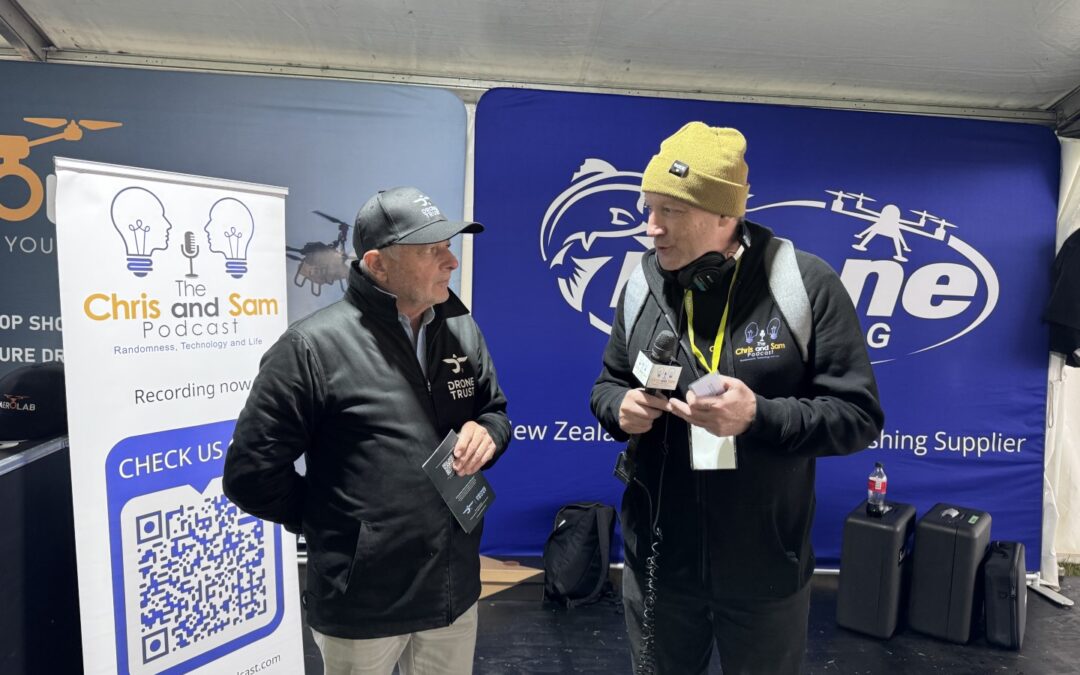
Drones take centre stage in agriculture and beyond, as Chris talks with Peter from Drone Trust about certification, challenges, and the growing interest in drone tech—from crop spraying to filmmaking. Plus, can teenagers turn drone skills into careers?
Photos
Links
Show Transcript
This transcript was generated by an AI and may not be 100% accurate. If you have questions about any of the information found here, please reach out to us.
Chris [00:00:21]:
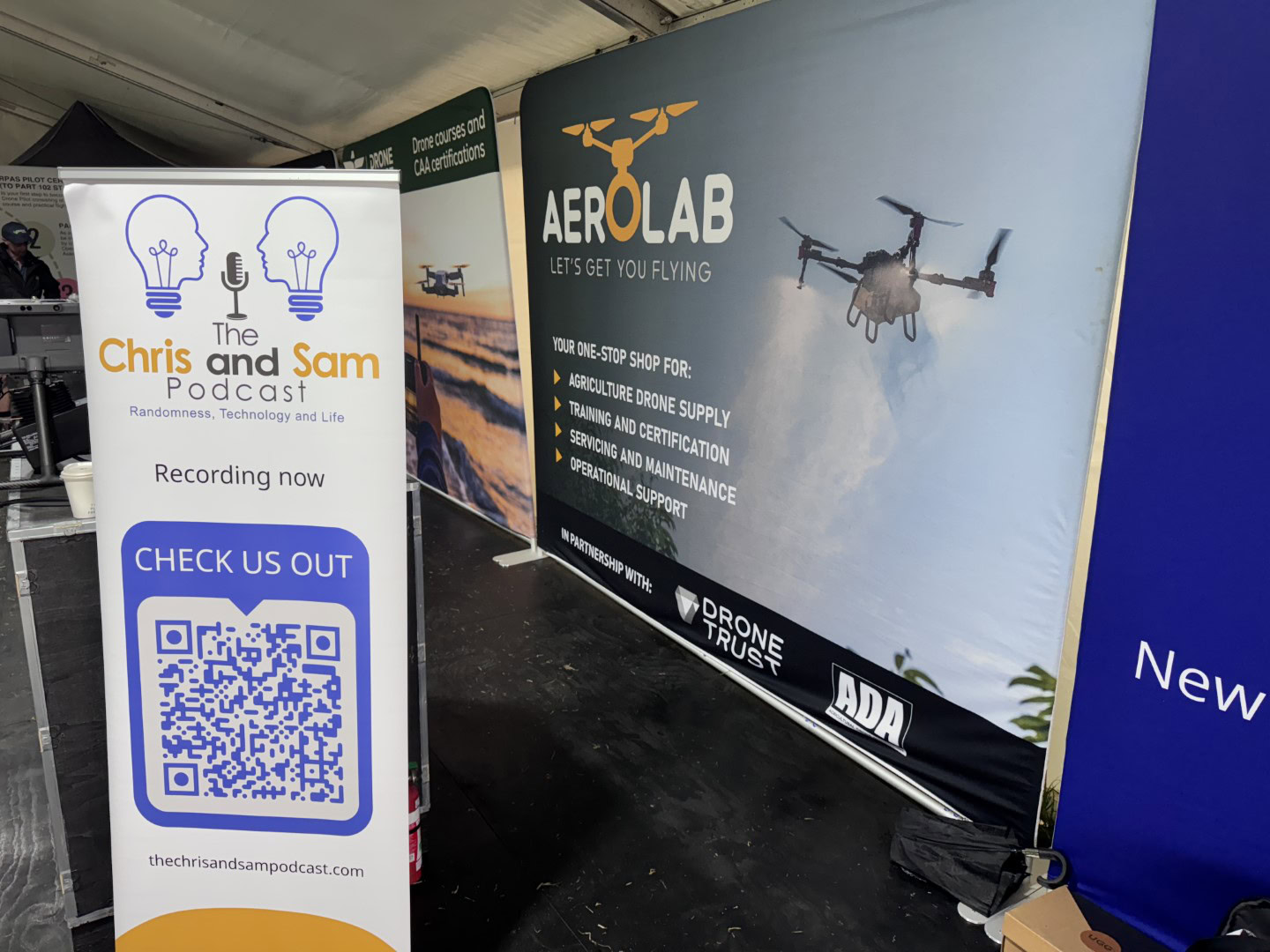
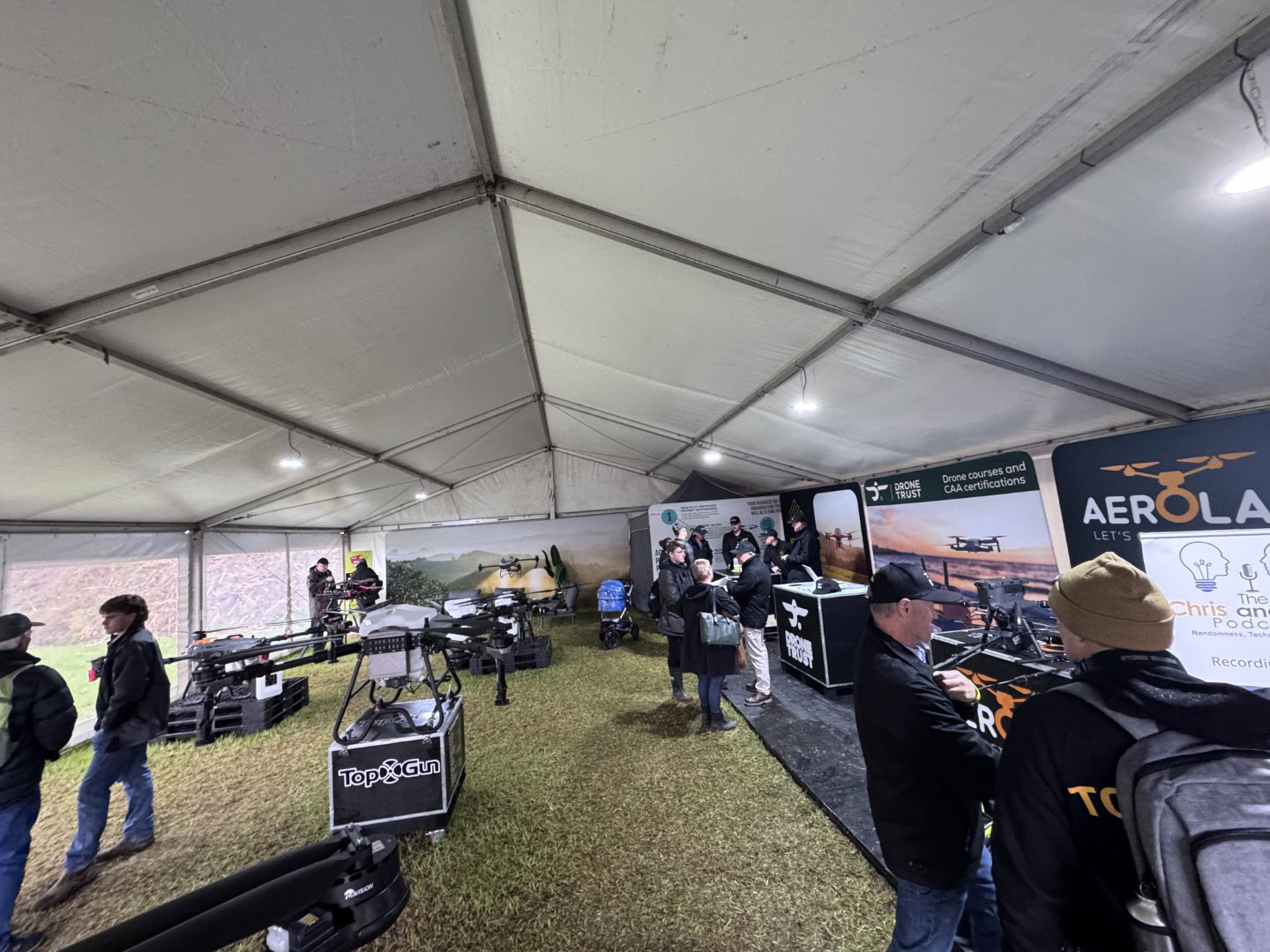
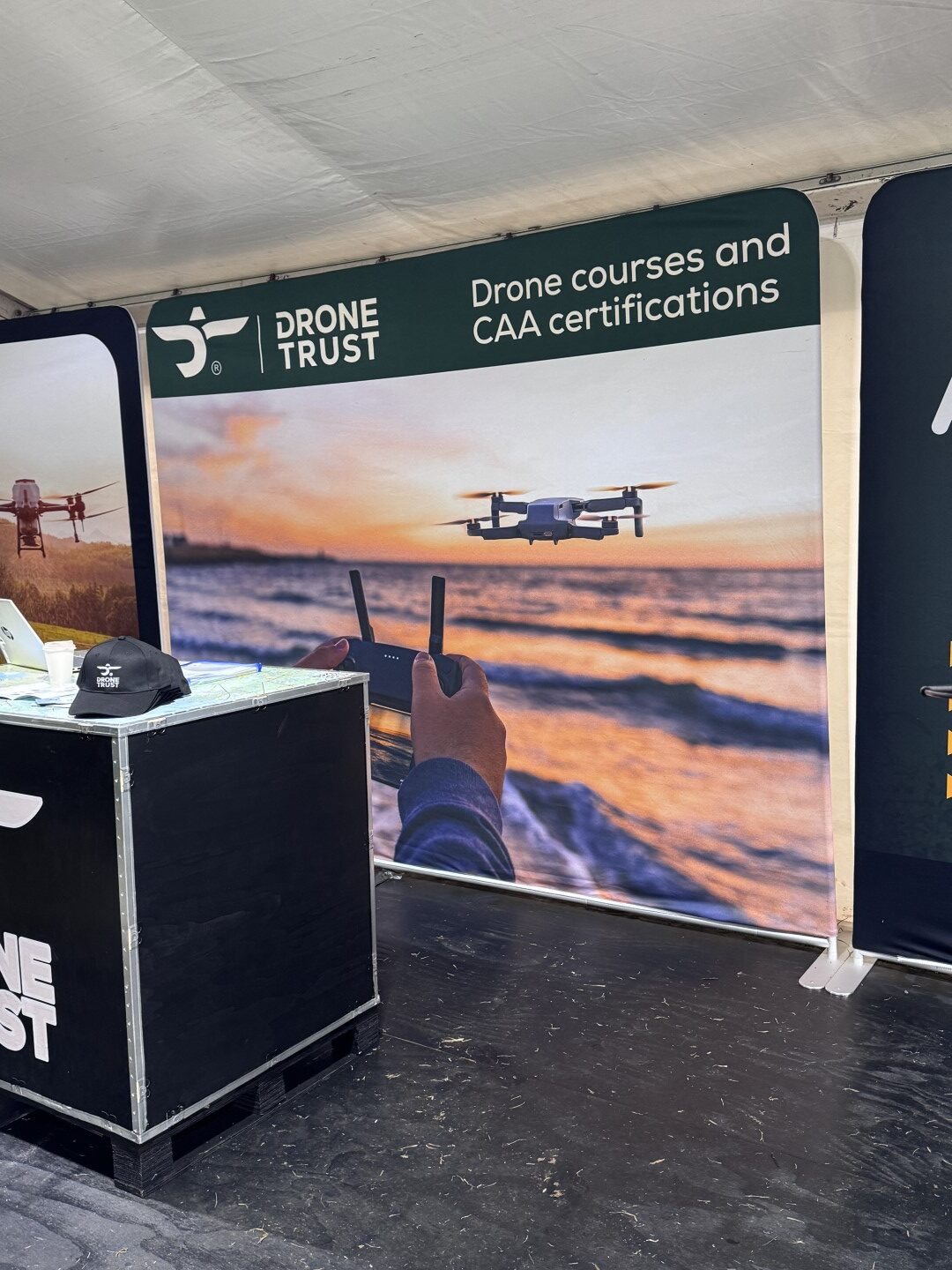
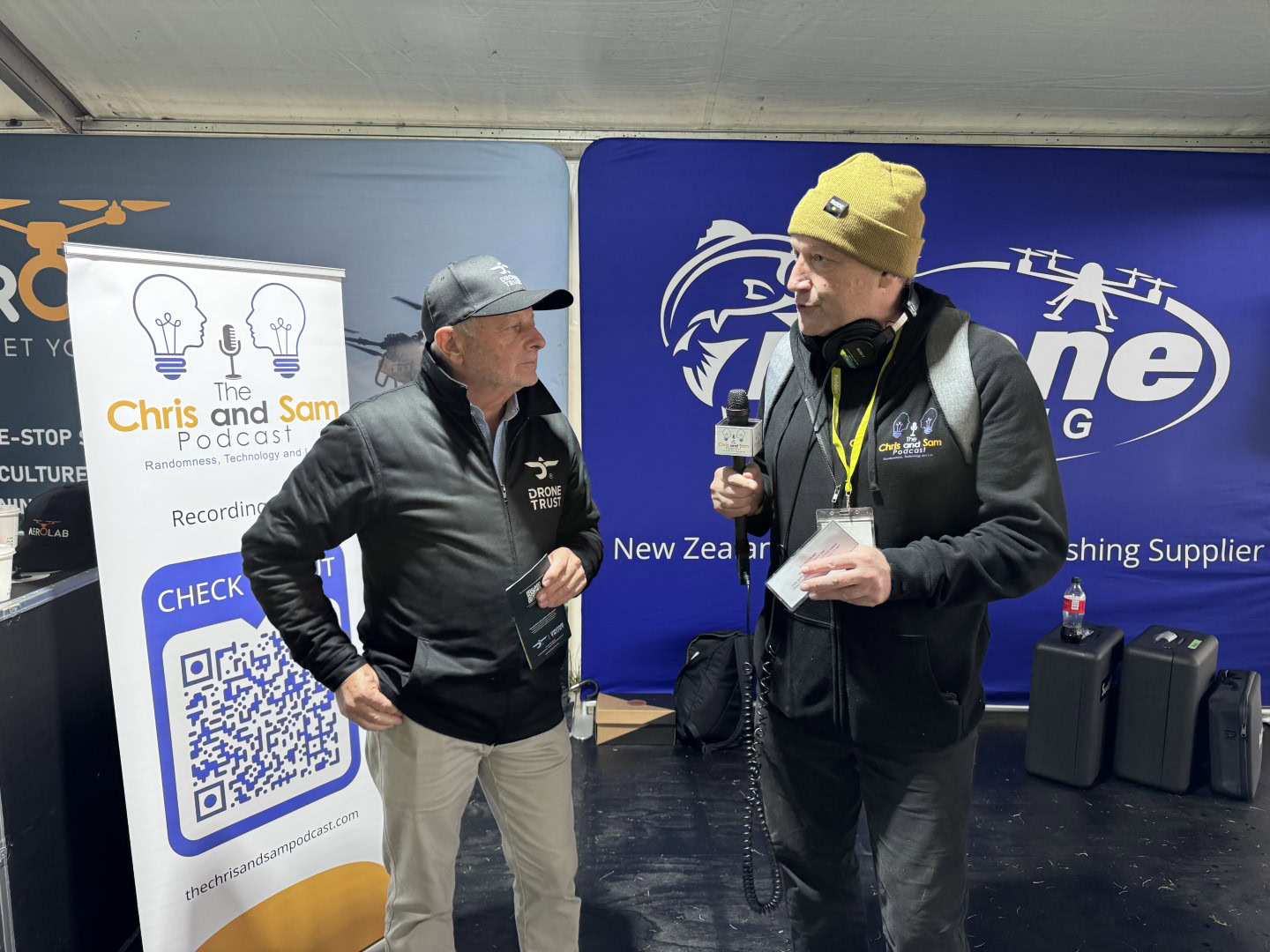
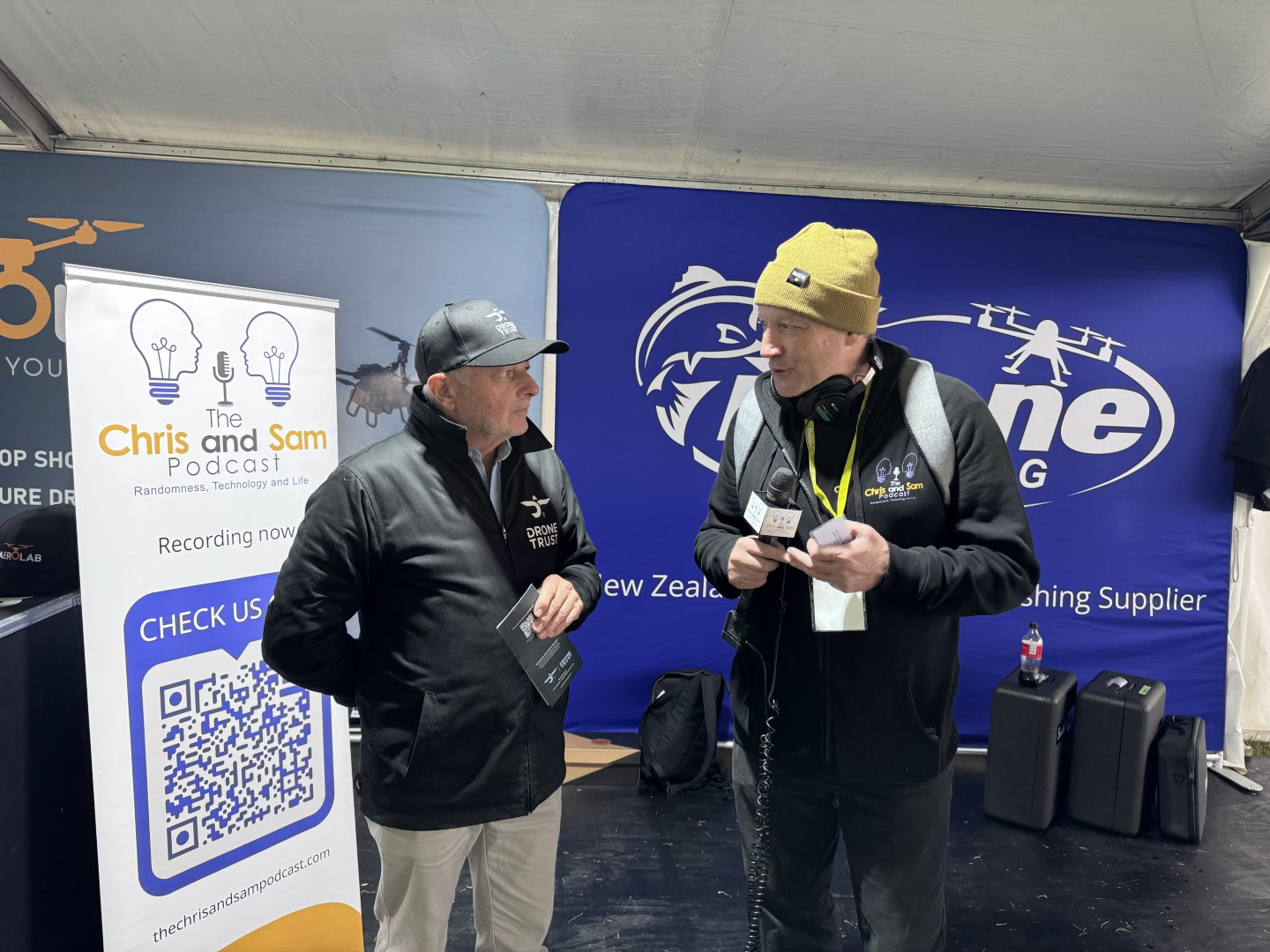
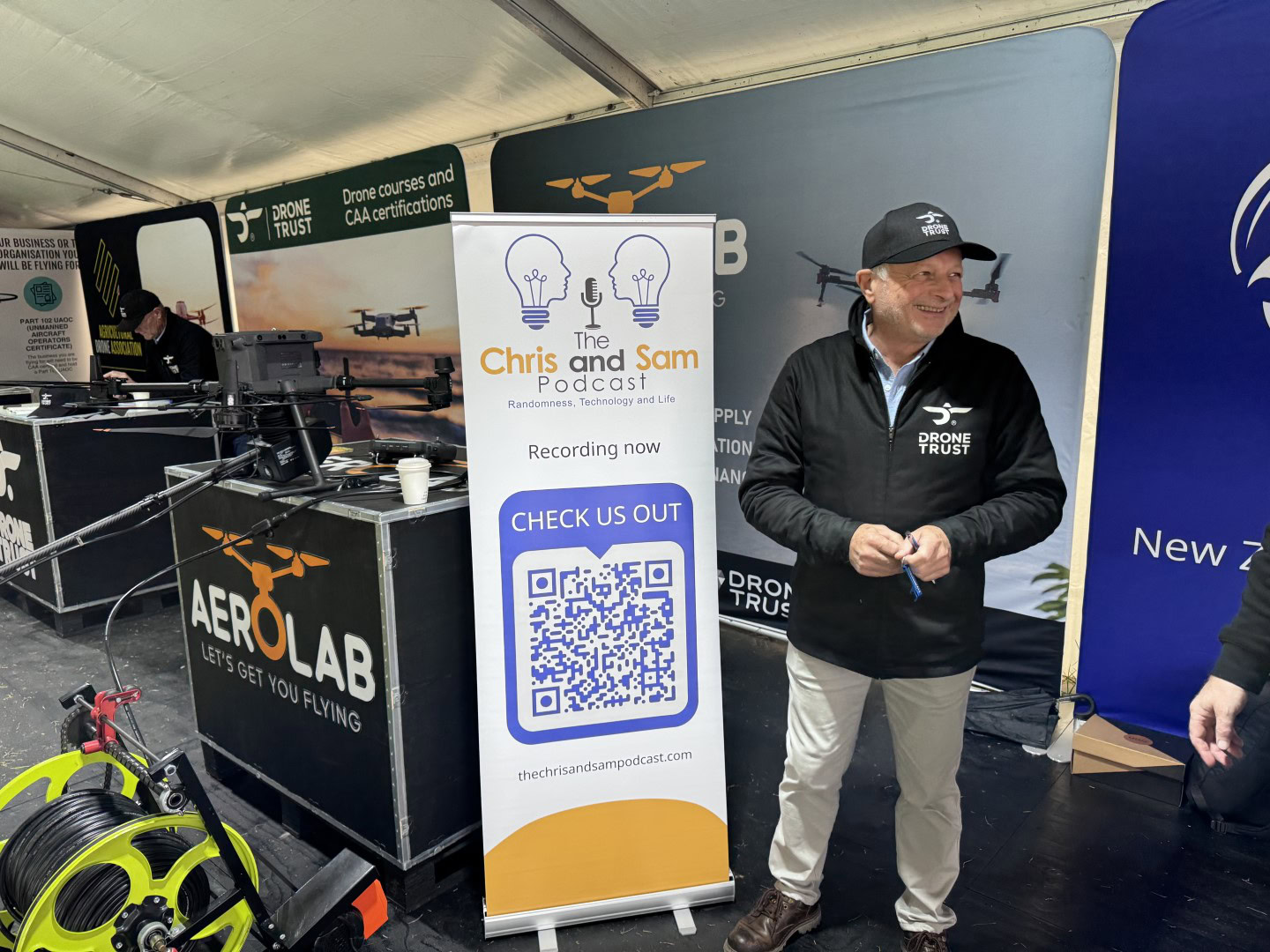
So right now we’re in the drone zone and Sam and I have been coming here for a probably seven years, I think, now, and the drones are becoming bigger and bigger thing every year. So I’m with Peter and Peter’s going to tell me a little bit about the drone trust and what they’re doing with Drone Zone and how things are progressing. So, Peter.
Peter [00:00:42]:
Hi, Chris, how are you?
Chris [00:00:43]:
Good.
Peter [00:00:44]:
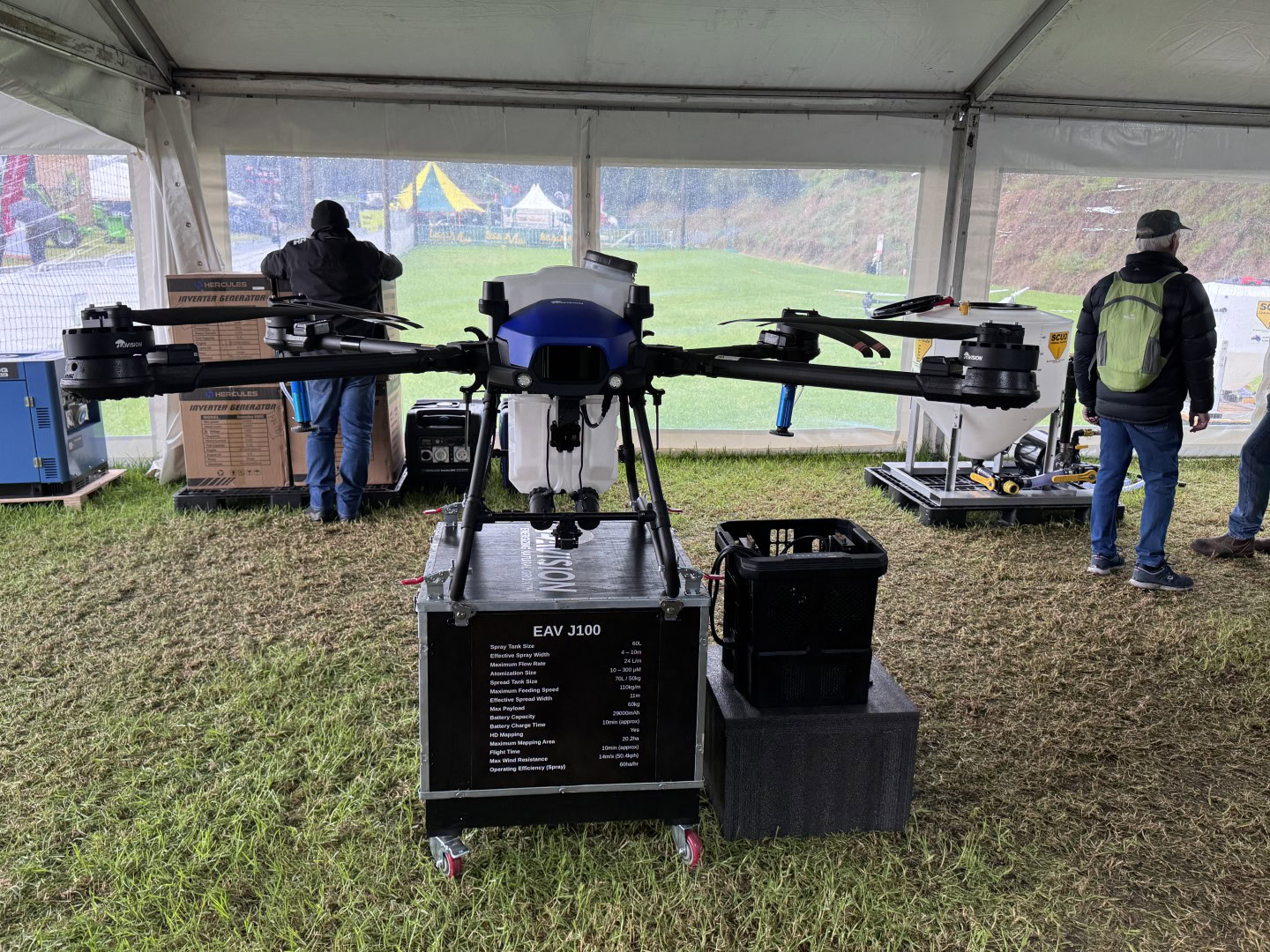
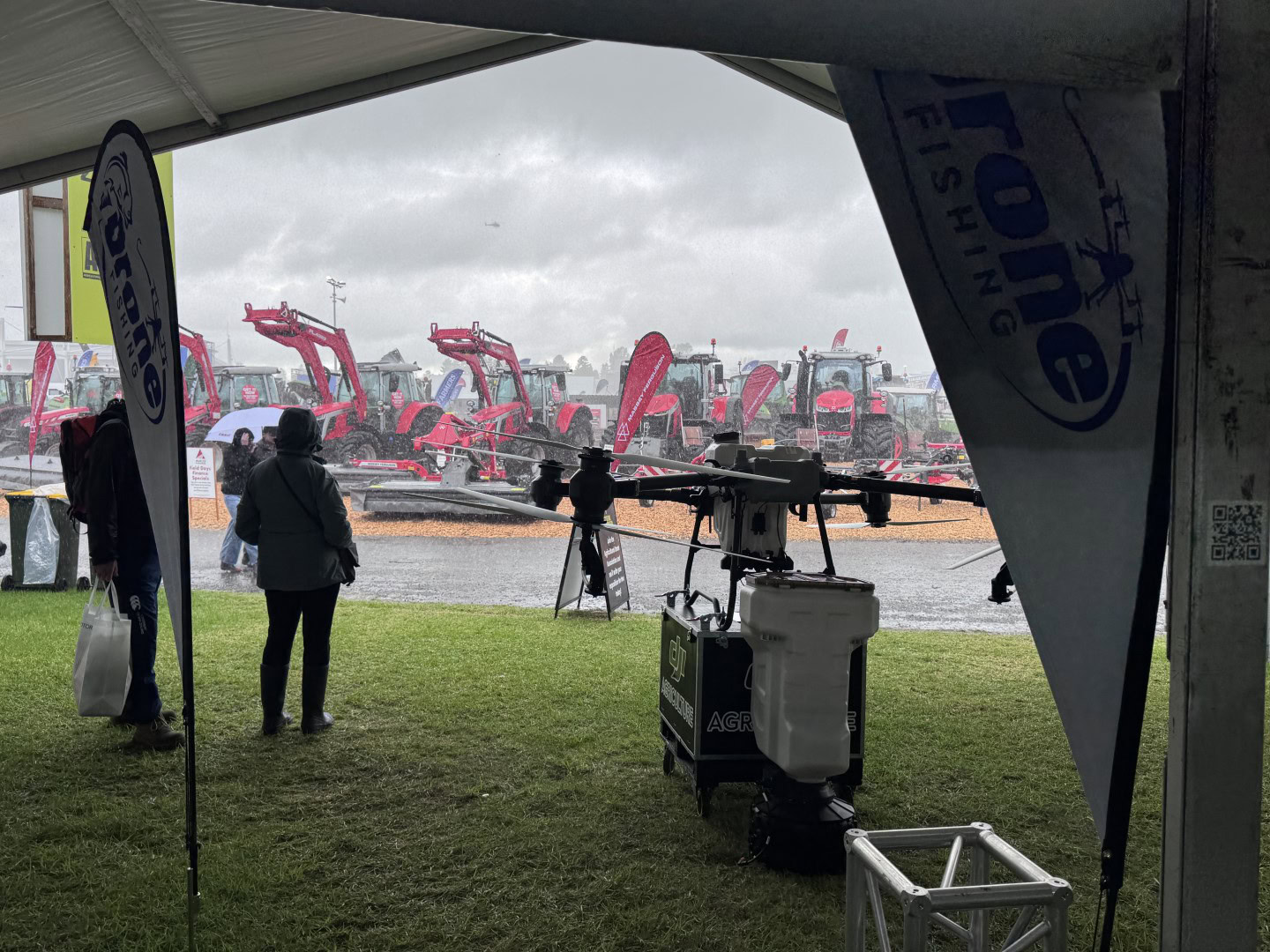
Yes. We’ve been coming here for a couple of years now and the interest in drone technology and how it applies not only to agriculture but to all different sectors where people coming in not only farming sector but also the general public. There’s a growing interest in terms of drone technology, from the small drones right, to the large agricultural drones that have a 50 kilogram or 50 litre payload applying fertilizer or spray. So, yeah, a growing interest by the year.
Chris [00:01:11]:
And what is it that makes it so useful? Is it the access aspect of it is the we’ve just had a huge downpour here where you can actually sit in the car and get the drone out there doing the work while you’re dry, or what is it that is really taking these farmers by storm?
Peter [00:01:32]:
Well, I think the stories that we’re hearing is that they are capable, drones are capable of actually flying close to sensitive areas. So we had a story from someone this morning who says that they were flying as a contractor along towards the sensitive areas, but not over it, obviously, and sort of the periphery of these areas and then larger helicopter sprays would come in and do the body of the work. So there are different applications like that, but areas where.
Chris [00:02:01]:
When you say sensitive areas, what do you mean exactly?
Peter [00:02:03]:
Close to borders. So, you know, just making sure there’s no spray drift in inappropriate areas. But we also have areas where orchardists, for example, they find this very wet weather that they’ve had and therefore the. The use of actually using tractors down pathways is becoming quite a problem because of the boggy area. So flying a drone over to do the work that’s required is a really good option as well.
Chris [00:02:26]:
Literally less footprint. Yeah. So I. I’ve got a bit of a question for you around the certification, so I know you guys have something to do with that, so I’ll get you to explain what you have got to do with that. But also I want to ask you to expand then on why it’s important to get people certified. What’s the danger of people because anyone can go out and buy a drone tomorrow. I could go to JB hi Fi and get a drone. Not sort of the size of these ones probably, but you know what I’m saying.
Chris [00:02:55]:
And what’s the risk with both the small ones and the bigger ones? Because I’m sure there’s a bunch of farmers out here today who are buying drones, taking them home, never used one before. So let us know a little bit about that certification, what you do and why it’s important.
Peter [00:03:09]:
You’re right. I mean you can go, as you say, go into an appliance store nowadays and buy an aircraft. And that wasn’t the case 20 years ago. And therein lies the problem. There are rules that are laid out by our Civil Aviation Authority in making sure that people understand what they should be doing. The danger I think is in people when they are flying a drone and they’re not certified or that they haven’t gone through any appropriate training. They don’t know what they don’t know. So we have a certification framework in New Zealand which allows the more recreational pilots to take their drone into the air, knowing what the rules are, right through to the more agriculture based larger drones which will do spray work and farms and things or building wash on buildings.
Peter [00:03:54]:
They are a little bit more complex in terms of the certification journey. But a lot of our role is explaining what’s required and the timing and how all these things fit together. So we provide very much an educational framework around helping people understand what they need to do and what their obligations are.
Chris [00:04:11]:
That’s interesting because. So I’ve been involved with cinematography film for a few years now and we’ve made a few films. We’ve used drone footage for a couple of them, most of that on private land. So is that film aspect something that you guys would help with?
Peter [00:04:28]:
We have all sorts of people coming and doing their certification from search and rescue to photography, to real estate photography, agricultural spraying to all sorts of area infrastructure. Telecom towers, bridges, inspection, engineering, surveying, local council, all those, they all are adopting drone technology.
Chris [00:04:51]:
Wow, that’s impressive. And so if I was, what liability or risk am I running if I go? I’m just going to get this film of this footage of this car driving down the road from above for my ad I’m making or my short film I’m making. What sort of liability am I looking at if I’m not certified? Or is there any.
Peter [00:05:14]:
I think you need to be aware of the rules rather than saying I don’t know the rules then finding it after the event. So our advice would be to understand what the rules are in terms of actually using your drone. And the best way of doing that is actually to become a certified drone pilot.
Chris [00:05:27]:
Yeah. And I would imagine that would help you with employment going forward with the drone zone. Can you tell us how that’s come about and how it’s coalesced over the last couple of years? You said you’ve been here for three years. What’s happening here? I know in this area you’ve got maybe two or three organisations or companies or whatever. Just give us an overview of what that’s all about.
Peter [00:05:49]:
This was evolutionary, I think, over the last few years, in terms of the growing interest, as I said before, in drone technology and how it applies to many walks of life. And one of the aspects of this is how we can safely operate a drone in a restricted area that we’ve got here to actually demonstrate what an agricultural drone looks like when it’s actually flying and how the spray is actually dispersing on the ground. And when you get the farming sector coming in and having a look at this firsthand in terms of what the spray looks like and how it would actually go onto their crops, they find it really, really informative. So this is just a further improvement and evolution to what we’ve been doing in the previous years.
Chris [00:06:26]:
Yeah. And just to expand on that, for listeners in the past, you’ve always seen a drone sitting on a box or a stand or whatever, and you. And maybe a TV showing it flying in the background. This time they’ve got a fenced off area out here with a large drone with a bit of a tether to it that’s flying back and forth across this field. Spraying, which, yeah, it’s 100% different seeing it in action than it is seeing it on a stand idle, you know, so that’s cool. Now I’ve got a. What has been the biggest challenge you’ve had in putting all this together or getting. What have you had trouble getting people to understand about drones?
Peter [00:07:11]:
I think that’s part of our role, which we find all the time, is actually helping people understand what’s required, what the journey is and what’s involved. Because a lot of people don’t really understand or they haven’t been exposed to the whole understanding of what the journey of certification is required. So our role basically is to help educate people so that they understand with their eyes wide open what is required to actually get to a point where they can actually operate a drone, especially one of these, which are 25 kg plus with a payload of say, 50 kg.
Chris [00:07:42]:
And it just occurred to me, do you do things with schools and that sort of thing? Because it seems to me that this is something that would be quite useful going forward for kids and, you know, getting older, older kids and that sort of thing.
Peter [00:07:55]:
We’ve often talked about that in terms of actually getting school children involved. I’ve just had a further discussion with a young man who is at school age at the moment and they’re looking at now what they could do with a career in drones. And I think one of the advantages for them is that they are very confident actually dealing with technology and they’re used to using joysticks, so they’re very, very good at doing that and it’s quite an easy transition for them to do it. So the whole idea of actually carving out a career using drones is very much an open idea for a lot of these younger people, which is great to see.
Chris [00:08:28]:
Yeah, it’s definitely the way things are going. I’ve got a little, we’re doing this little fun bit that we’re doing this year. So I’m going to get you to pull two questions out and you can choose which one of the two you can answer. So if you get a dud, you don’t have to answer it. And they’re supposed to be light hearted ones, so we’ll see what you get.
Peter [00:08:47]:
Aliens just landed. What’s the first thing you tell them? I would say welcome to Earth. Would you like to buy a nice drone? And if you buy another drone, we can help you with the certification process.
Chris [00:08:59]:
That’ll work. Thank you very much, Peter. I appreciate it. Now, before we wrap this up, where should people go to find out more about drone certification or anything else, websites or organization places?
Peter [00:09:12]:
Look, we’re very happy to speak to people. There’s always a lot of questions that people have and we can unpack the whole information in terms of their pathway. So. [email protected] [email protected] okay.
Chris [00:09:28]:
And dronetrust.com is the website they can check out as well.
Peter [00:09:33]:
The website is www.dronetrust.co.nz.
Chris [00:09:37]:
Thank you very much, Peter, and good luck for the rest of field days. Cheers.
Where you can find us
Get Patreon Perks
Our Facebook Page
Visit us on Instagram
Chris’s Website
Sam’s Website