
Summary
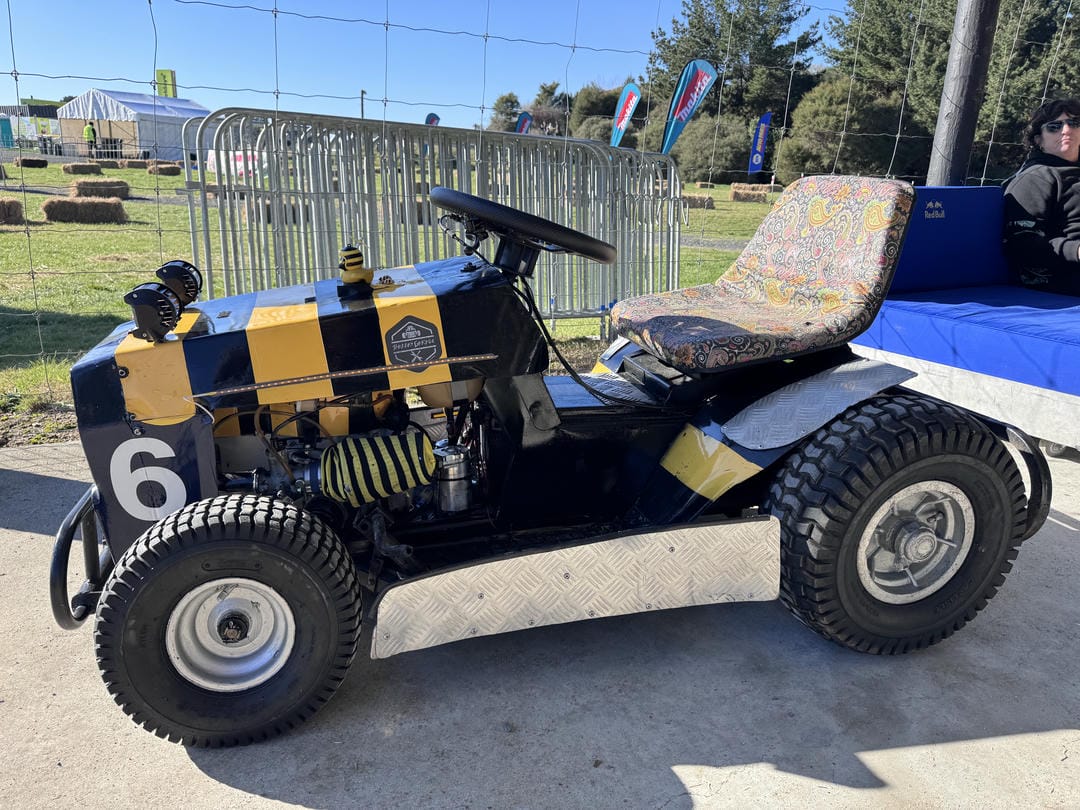
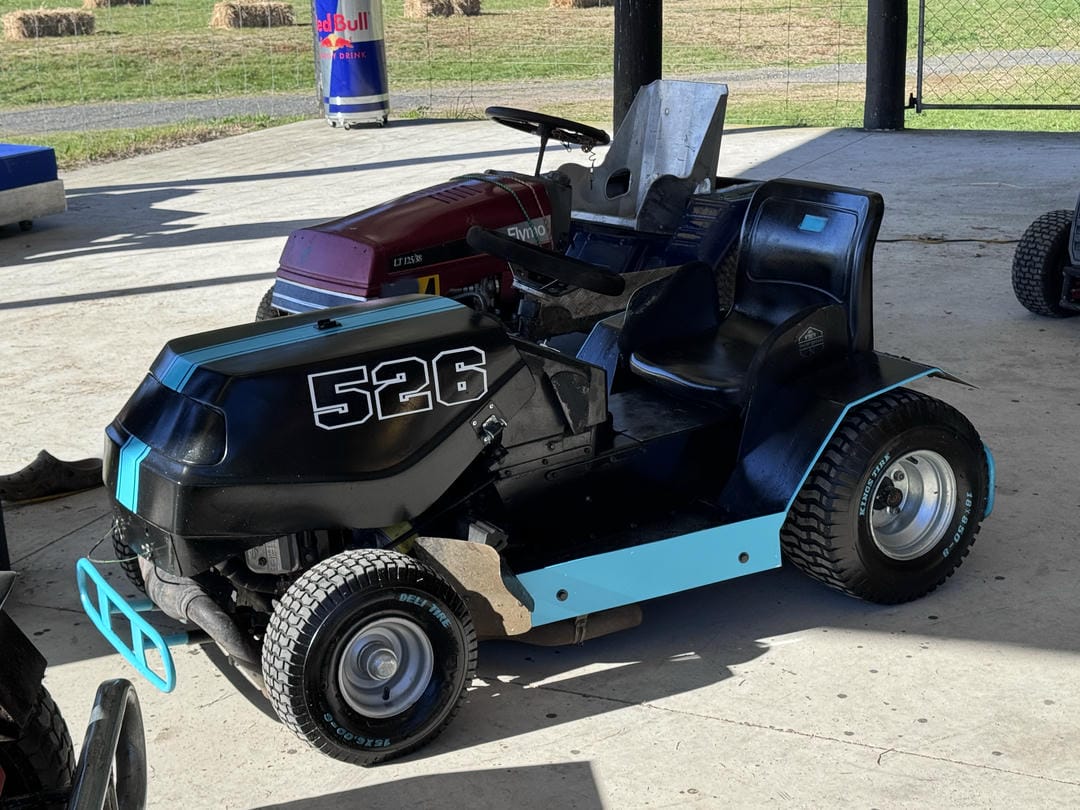
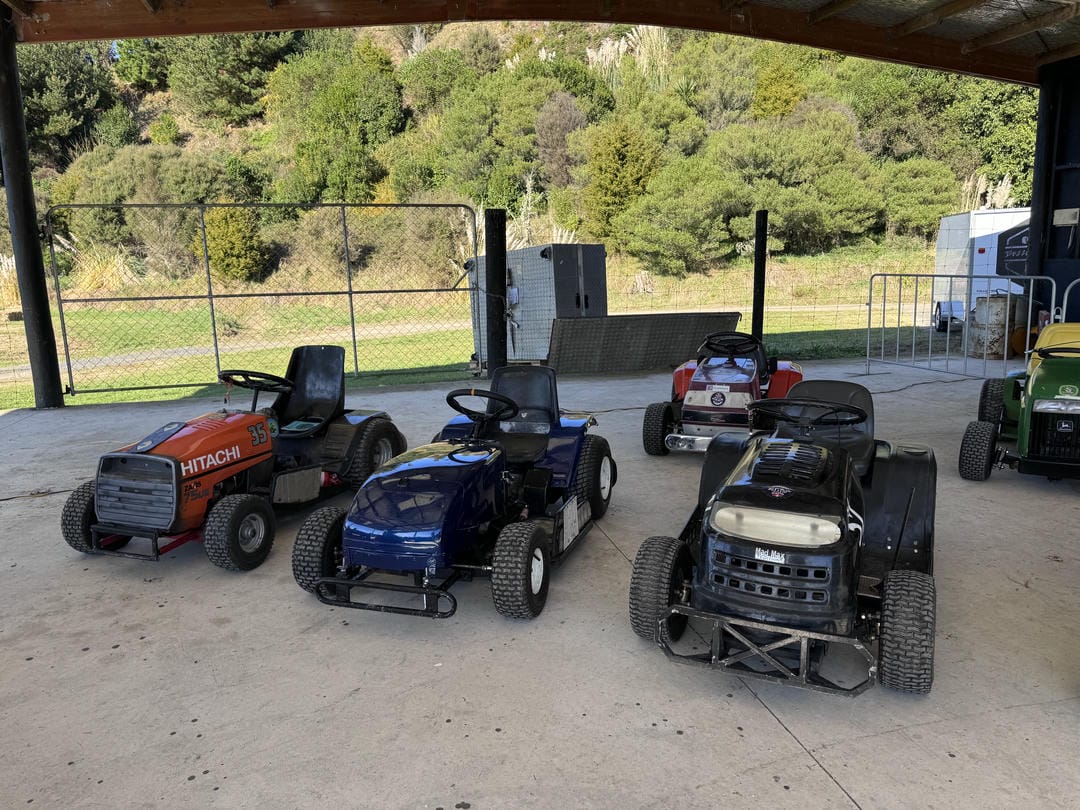
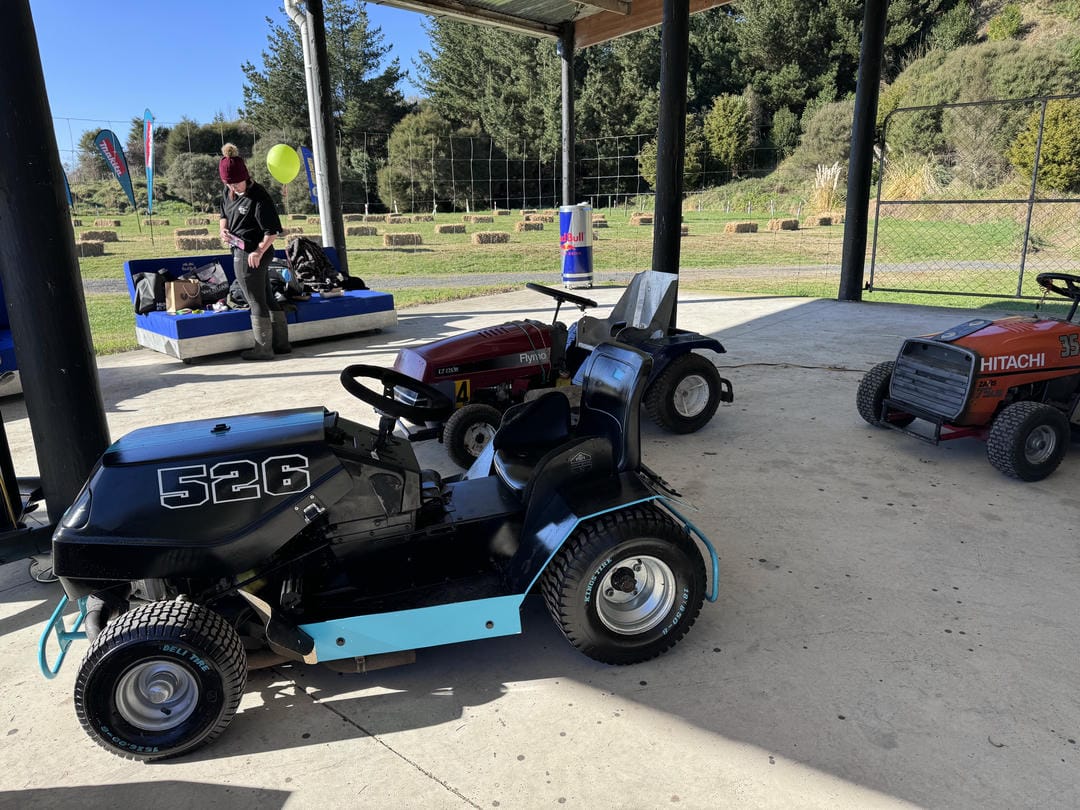
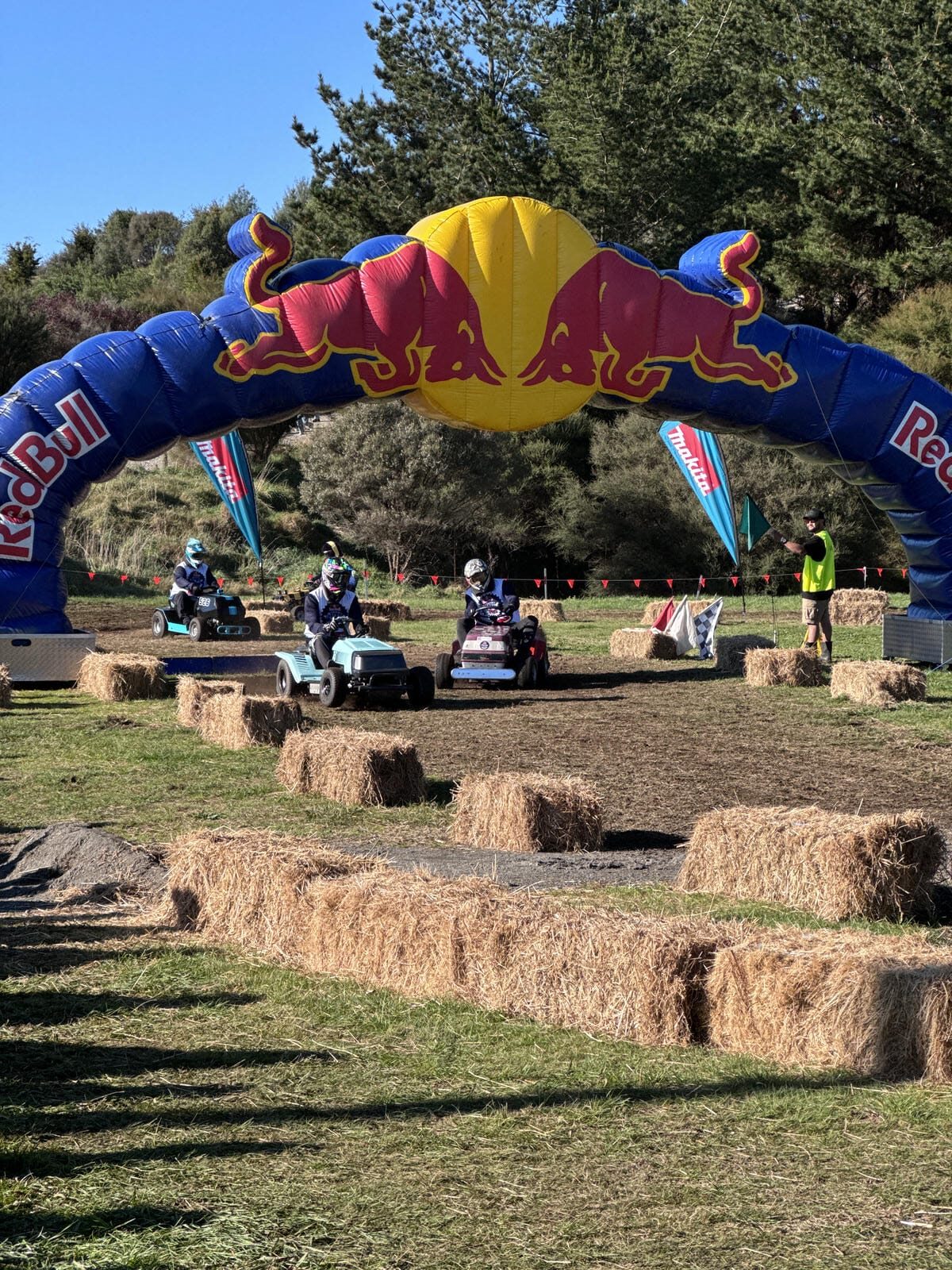
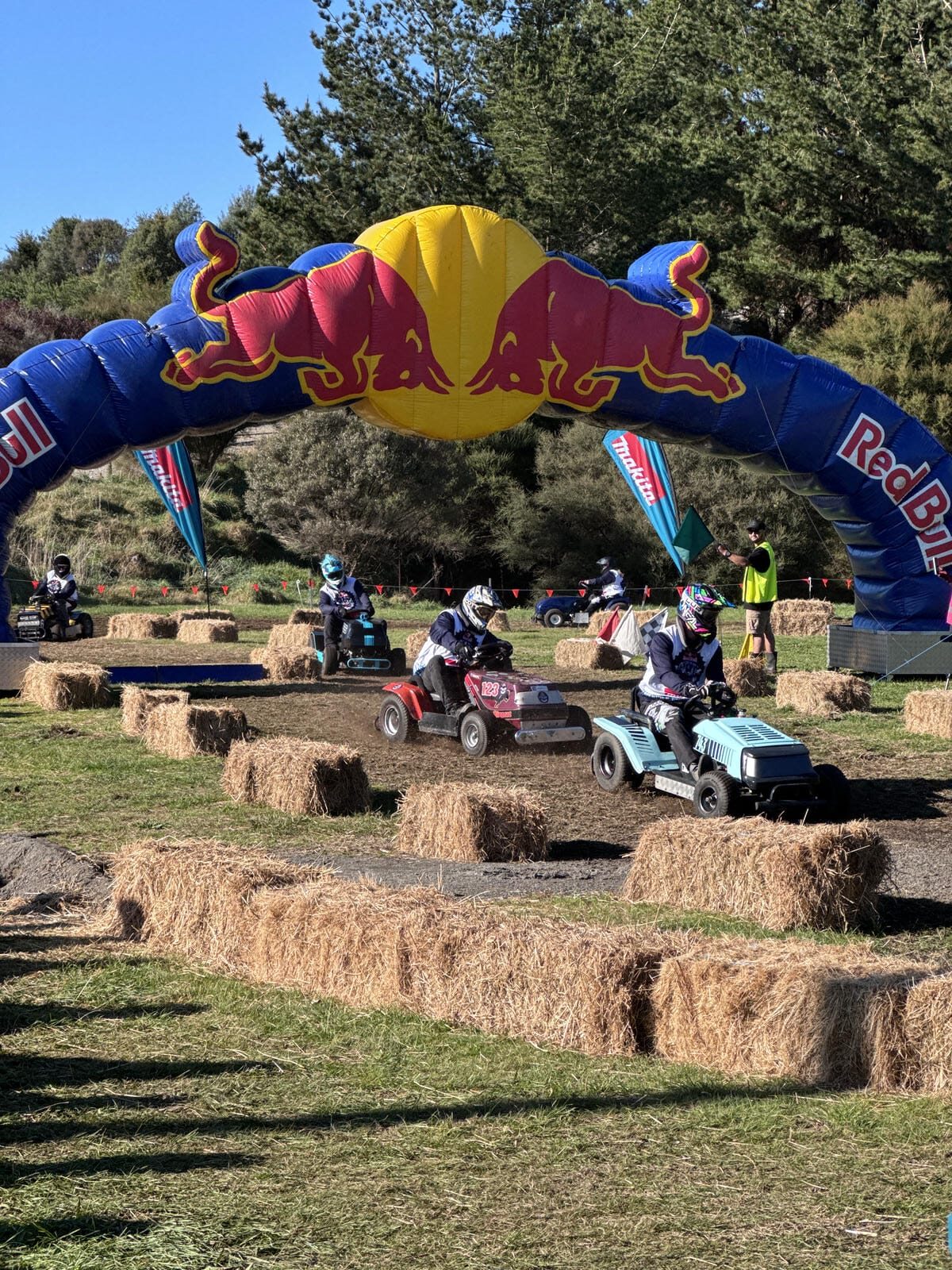
This episode it's all about New Zealand lawn mower racing from Fieldays, where custom-built ride-ons are tearing up the paddock and the Red Bull Cut it event adds an epic jump and serious style points.
Sam talks to Barry about the nicheness of mower mods, talk entry costs, and learn why LEDs and neons are all the rage in the pits. There's talk of VR racing, education with tech, and secret room dreams, plus how junior racers are getting involved.
Photos
Show Notes
This transcript was generated by an AI and is probably not 100% accurate. It pays to listen to the podcast, but if you have questions about any of the information found here, please reach out to us.
Sam [00:00:21]:
Okay, guys, I have found myself to the lawn mower racing area at fieldays. If you didn't know that was a thing, it is. I think I missed this last year and I'm gutted that I did because there's some amazing machines here and on Saturday they've got the Red Bull Cut it series, I guess. And I'm here with Barry Baza and he is going to tell me all about lawnmower racing because I've got many questions and I'm sure you do, if you're listening to this. Now, first off, what is your title? Barry.
Barry [00:00:49]:
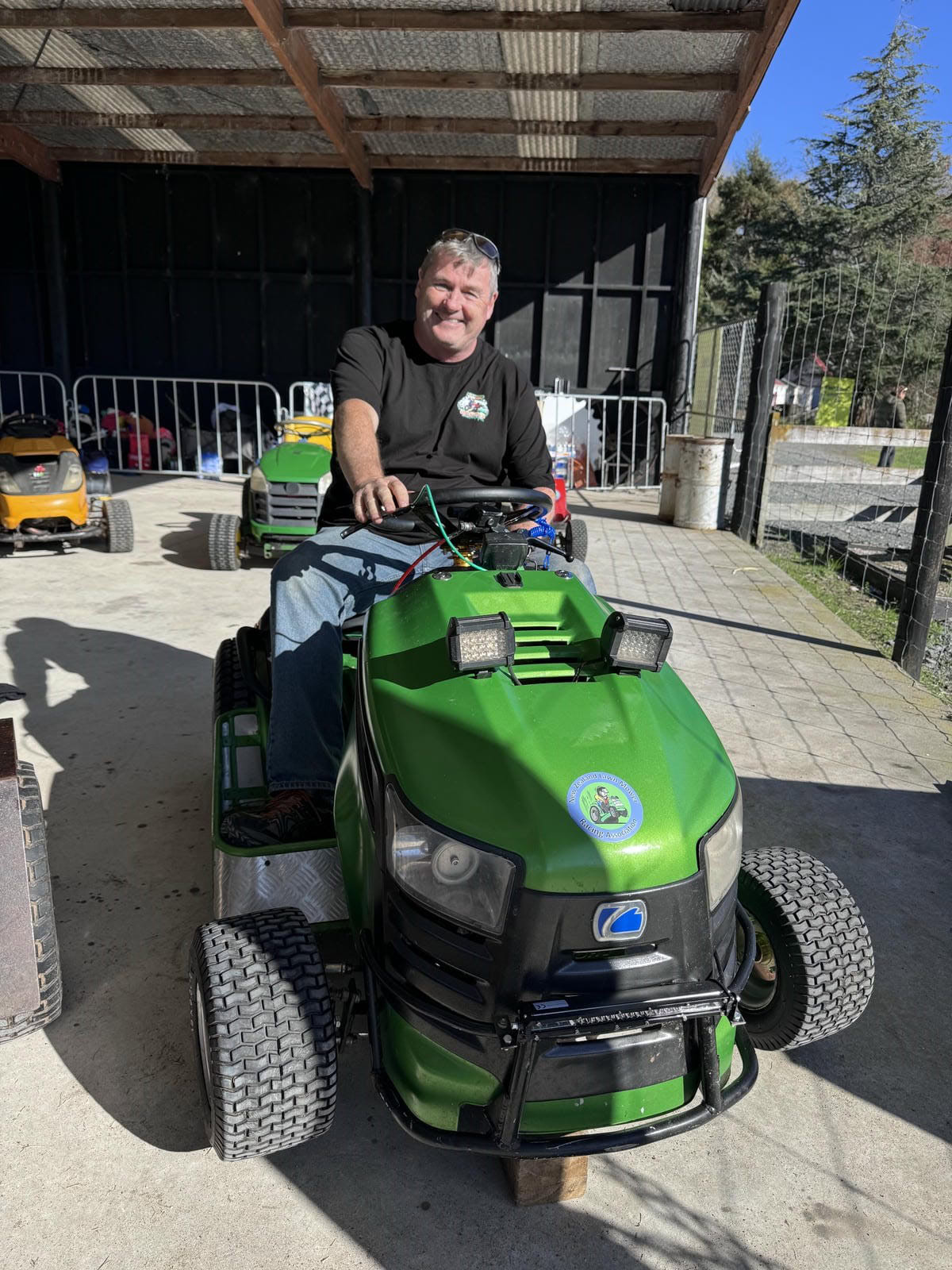
I'm Barry. I am actually the national president of the New Zealand Lawn Mower Racing Association.
Sam [00:00:55]:
People out there sometimes wonder or don't understand that there's all these groups out there doing really cool things. I grow giant pumpkins, Barry. That's my thing. So I'm the pumpkin guy for New Zealand. If there's something to do with pumpkins or if you've seen a pumpkin in a movie, I've probably sourced it. So I understand the nicheness of a thing like this, like a group. What is your backstory?
Barry [00:01:17]:
Well, this sort of started probably about 18 years ago for me where I had a little small business was reprogramming vehicles. And I was at a AMP show in Rotorua and I saw some guys roaring around lawnmowers and I thought, that's kind of cool. I had built a race car before that, but I thought, hey, lawnmower racing might be nice and cheap and fun. That's basically where it started. And so from then, I've just spent all my time building racing lawnmowers. To be honest, as all good people
Sam [00:01:46]:
do, you dive headfirst into a new project and spend a lot of time and effort doing it. First question, I guess is how many people are doing this in New Zealand?
Barry [00:01:58]:
Well, we're NZLMRA, so we're a New Zealand organisation. We've got clubs affiliated with us that we've run on the same rules nationwide and all that sort of. We support our clubs. So for us, I think at the moment we've got about 130 registered mowers on our database that all have the right numbers and are built to their regulations, if you like.
Sam [00:02:18]:
Yeah, I guess for any motor racing, be it race cars, motorbikes or even lawnmowers, you've got to have those regulations and have people follow them, which Is great to hear. Obviously here at field days you said you've got the Red Bull cut it.
Barry [00:02:33]:
Yes.
Sam [00:02:33]:
Which is a global event, but obviously you guys are running your own events or races throughout the year. What's that program look like?
Barry [00:02:41]:
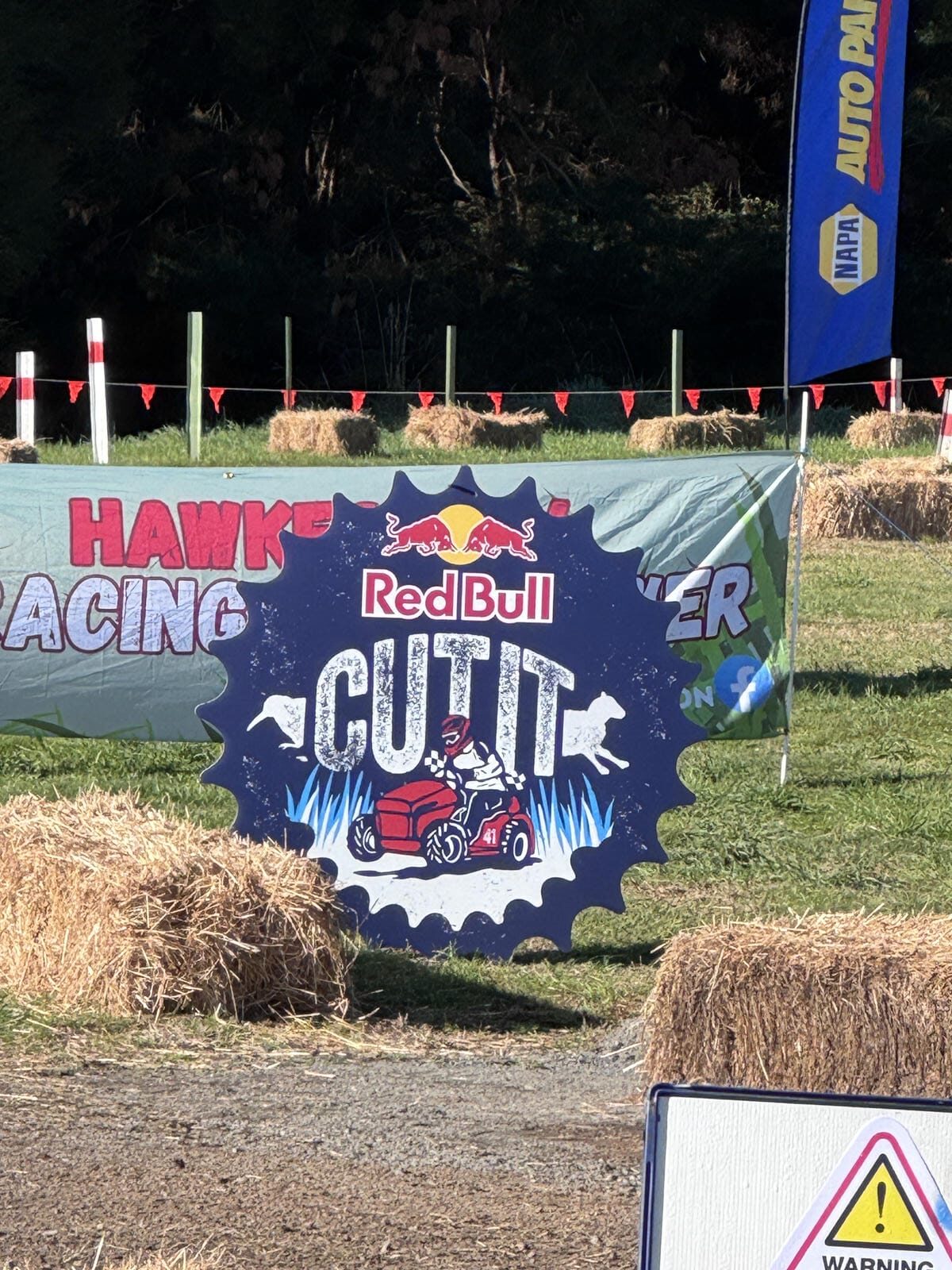
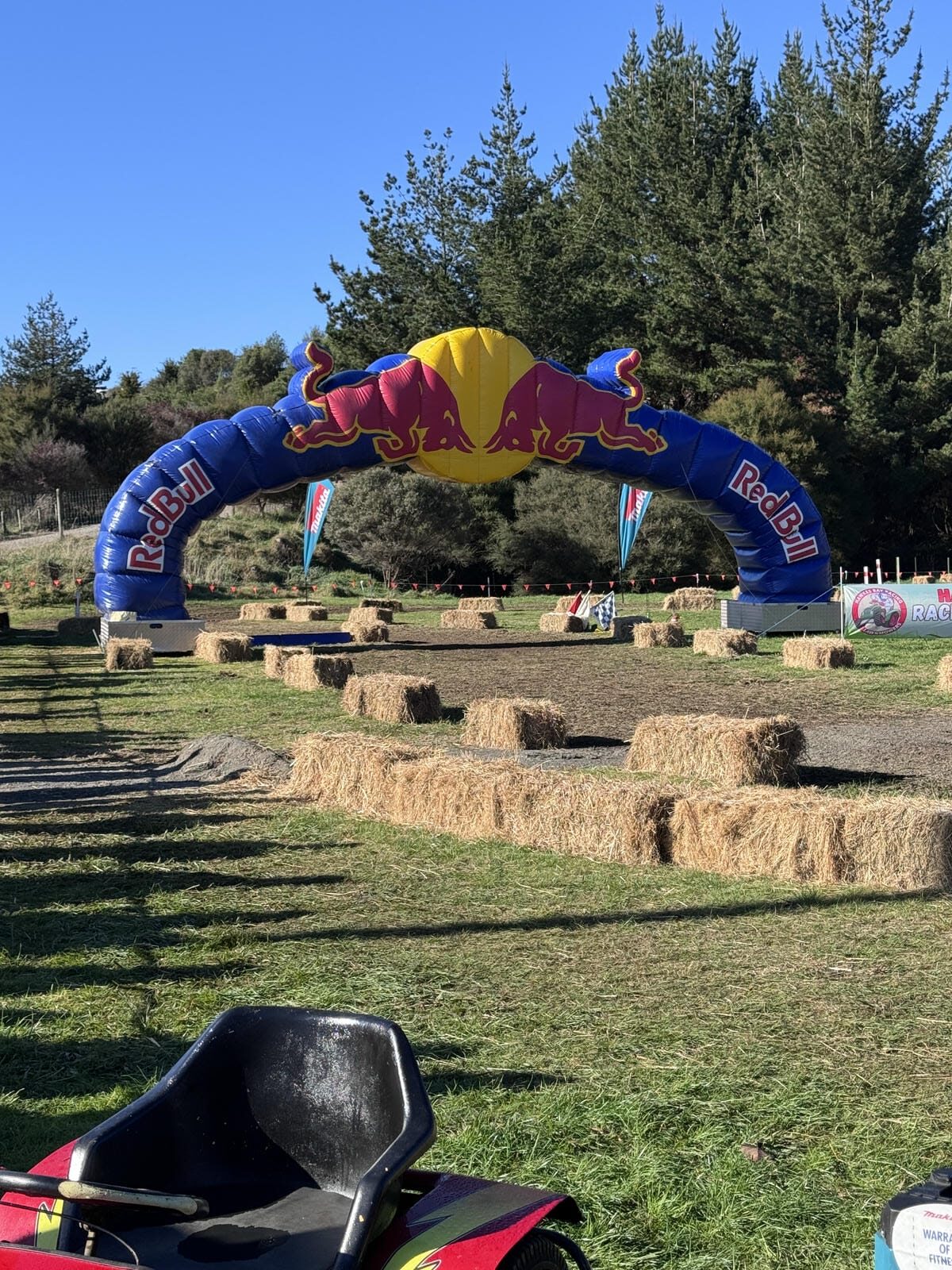
So basically, Red Bull cut it started a few years ago in England where they did an open day, if you like being New Zealand. The local crews from Red Bull sort of reached out to us and said, hey, do you think we could do something here? And we're like, yep, no worries. We're in boots and all. So last year was the first year we did a Red Bull Cut It, which is basically Red Bull flavoured lawn mow racing. So we've got a jump, we've got the big Red Bull arch will come up on Monday. We've got all the Red Bull people here and the cars and the vehicles. You know, it's a really awesome fun day out for everybody to come along and watch what we do. The plan for the future is to try and get some more involvement with, with the public and work out a way that we can get public to build some machines and come along, have a go next time.
Sam [00:03:25]:
That's an awesome goal. You said that the Red Bull Cut It has the thing like the jump involved.
Barry [00:03:30]:
Yes.
Sam [00:03:30]:
Does that affect how the these are built or will they affect create more wear and tear on the standard lawnmower racing machines?
Barry [00:03:37]:
Most definitely. Most definitely. So last year when we did it, a few people broke bits off their mowers because they weren't used to it. I've got to be honest, I came up with the height of the jump. I thought it was about the right height, but yeah.
Sam [00:03:48]:
Did they not have a specific height or anything?
Barry [00:03:50]:
They just said, hey, put a jump in. Yeah, they said to me, what do you want to do? I said, let's put a jump in. So they're like, okay, cool. So we had like last year we had CO2 cannons going off when you jumped over it. Some cool photos of mowers in the air, but yet it is harder on the gear. But we set up the track so that you don't have to go over it. But if you don't go over it, then it's obviously slower.
Sam [00:04:08]:
Okay, that makes sense. And it's good to have that option, I guess.
Barry [00:04:10]:
Yes. Yeah. Well, some people are like, nah, I don't want to do it. But I sort of figure you're here for the day. Go full send.
Sam [00:04:16]:
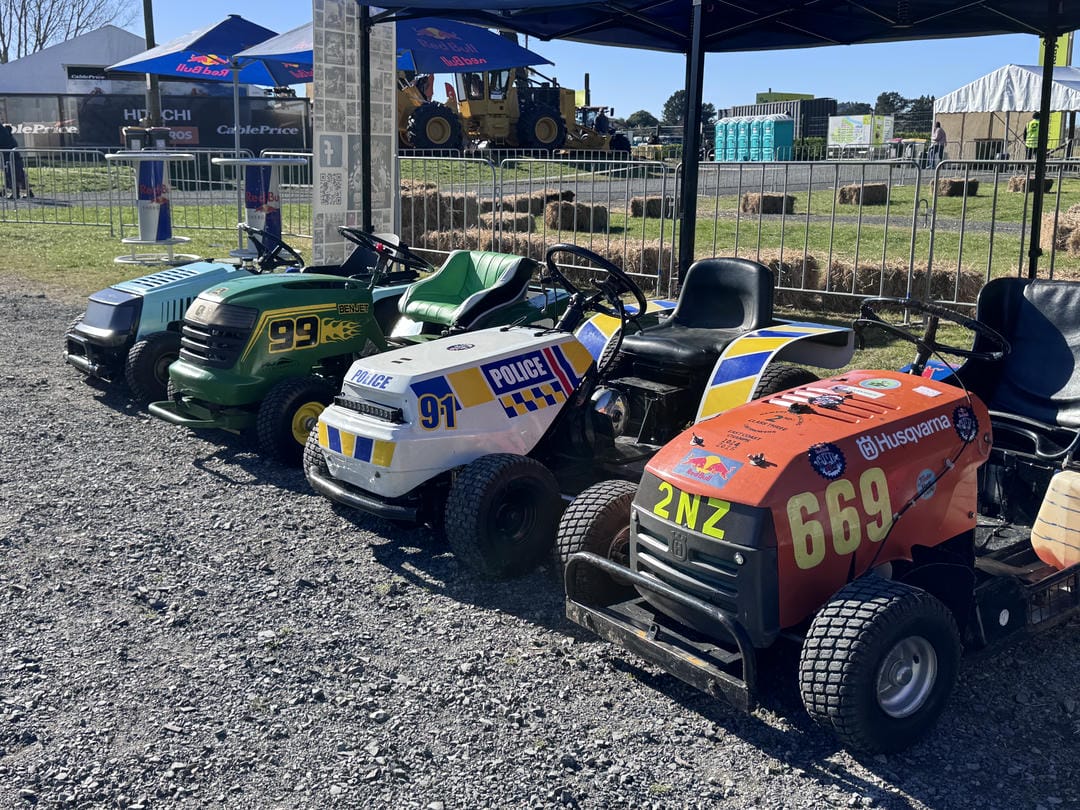
Yeah, yeah, I would agree with that. Hey, in your regular lawnmower racing series, I guess In New Zealand, is there different classes or are all the machines I'm looking at right now where we are, are these all the same power?
Barry [00:04:29]:
No, no, we have different classes. And the classes are only based on the size of the engine. So, you know, the chassis constraints. Constraints. The brakes, the steering, that's the same across everywhere. But the engine size is what makes the difference. So we have a class one, which is up to 28 cubic inch, which is about 460cc. Okay.
Barry [00:04:50]:
And we generally run what they call the flathead engines in that class, but getting harder to get them. So that's changing to some smaller overhead valves. Then we go up to the next size, which is class two, which is about 510cc, I think, or 31 cubic inch. And then we had class three, which is anything above that. So today you could walk into your mower shop and buy a brand new Briggs and stratton engine that's 998cc with fuel injection, and you could throw it into one of these mowers and you could come racing.
Sam [00:05:19]:
That's crazy. My next question is, what is the barrier to entry? And what would be the. If you were going to put a ballpark figure on a price, what would be the minimum you would need to get a machine and potentially get it up to spec?
Barry [00:05:31]:
Well, the thing with lawnmower racing is it's not like you can just walk out and buy stuff like you can with go kart racing. And that sort of stuff does limit people that can enter. But generally, we're always really happy to help to build. So if you were going to build one yourself from scratch to fully race ready, I would say probably a couple of grand if you wanted to buy one. They can be in different states. Fully competitive ones are probably five or six thousand dollars. $3,500 might get you one that's half built. Realistically, you never get back the hours you put into it.
Barry [00:06:04]:
I've built probably four or five of them. And the hours you put in, part of the fun is building for me anyway.
Sam [00:06:10]:
I think that's fair for every car builder, isn't it? You never get your money back on the hours you put in.
Barry [00:06:15]:
No, no, you never do. You never do. But, you know, like I say, we don't really have any secrets. We're not about, you know, the winning's not everything. It's all about having fun, getting out, having a go. And we'll help people as much as we can. Some of us have got mills and lathes, and if somebody wants some help, we'll, you know, machine something up or do some milling for them just to get them on the track, to get them going.
Sam [00:06:34]:
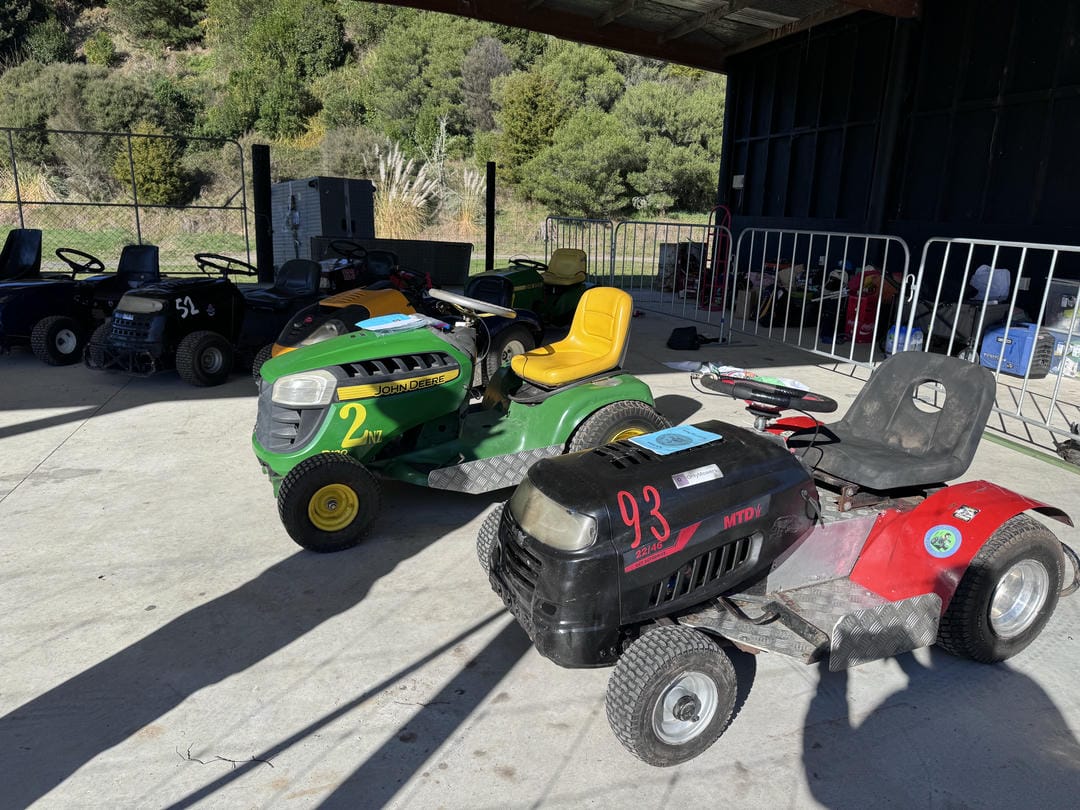
That's awesome. Very inclusive sport and a lot of help there. I see a bunch of different brands here. Obviously you can see the green, John Deeres, mtds, few other things in the mix. Is there a go to one that you've seen over the years that seems to. Is there a gold standard that everyone goes, hey, I really love that body or that mower?
Barry [00:06:52]:
No, I think that's the good thing about it is that you can mix and match bonnets as well. So, for instance, one of the mowers that I've built has got a Honda bonnet on it, which we trimmed to fit. And then another one's got a different bonnet from the body on it. Realistically, it's whatever you can get hold of. That's how I started. Anyway, you go to your local mower shop or look and trade me or whatever and find out what somebody's getting rid of. Because usually if the decks rust out, people get rid of the mowers. So you can just buy a mower which gives you your motor and all your starting points for a very cheap price.
Sam [00:07:22]:
Man, this is sounding better by the second. At the Chris and Sam podcast, where we talk about random technology and life, we have a bit of a tradition when we interview people. I'm going to show you two random questions. You get to pick one, read out the one that you want to answer, and then that'll be good.
Barry [00:07:39]:
Yep, I can do that as long as I can read.
Sam [00:07:42]:
There's two questions there.
Barry [00:07:42]:
What do we got?
Sam [00:07:45]:
You get to pick one of them.
Barry [00:07:46]:
Okay. If your current house had a secret room, what would you put in it? Well, probably at the moment, because I've just got into VR car racing, I'll probably have a secret room downstairs which would have everything set up so I could do VR car racing.
Sam [00:07:58]:
I want to know more about VR car racing now. So when you do VR car racing, it's just the headset and you've got like obviously the setup with steering wheel and pedals. Is that the gist of it?
Barry [00:08:08]:
Yep. Correct. Yeah, it does have a TV in front of it, but I've only just got it and I'm just sort of learning how to set it all up. But put it this way, my partner tried it and within five minutes she was nearly sick. So it's kind of real funny story.
Sam [00:08:20]:
I'll tell you a story. I went to a talk, oh, 10 to 15 years ago and there was a guy and he was at the forefront of VR stuff in New Zealand and his house burnt down once and he said at this talk, I'm really sad because my child that's growing up now cannot experience that house. And he was going in and taking a million photos of a space and then converting it to VR. And he had it where you could go kneel on the floor and read the writing on the edge of a cigarette butt. But for his demo, they had climbed to the top of the Sky Tower and there was just a chair in the room. And you sat on the chair and you put the VR headset on, but you're on top of the Sky Tower with this ultra high def thing. And it freaked people out.
Barry [00:09:05]:
Yeah. Oh, it's pretty cool. I sort of got into the VR stuff. I know we're going away from lawnmowers, but it doesn't matter. I went up to a small cafe in Thames and it was an Aerocraft cafe. And I thought, this is a cool place, let's get a coffee. Walked in and there was all these VR sets at the back of it. And I'm a bit of a plane buff and walked in the back there and I could go and fly a Spitfire.
Barry [00:09:27]:
So I had a guy on that and that hooked me. And I had to go and buy a VR set and had to go and buy a computer. And, yeah, you know what happens after that? You go down a rabbit hole of stuff.
Sam [00:09:35]:
I was at a rest home, of all places, a while ago, about a year ago, and they were renovating some sort of room. And I said, what's that? And they said, oh, that's our VR room that we're building for the old people. And I was like, oh, that's a great idea.
Barry [00:09:47]:
Yeah. Well, I'm actually in education. I work at a Polytech and I've been trialing it for our Autom Automotive students. So in other words, you know, we get them to pull things apart. But of course, if we have 100 students, we need lots and lots of vehicles that they can pull apart all the time. And the first time they do it, they tend to break things and not know what they're doing. So I've got this idea that we can sort of use the VR and there's a couple of programs I've used where you can go in and say, right, here's your job card. You've got to replace the front brakes and you actually have to go through and talk the wheels up correctly, take them off, take the wheel Nuts down.
Barry [00:10:22]:
It's, it's pretty real in what you do, but it means that if we then now say go out to that car and do it, they've already experienced the process so hopefully they can do it better.
Sam [00:10:33]:
That's a great idea. And like you said, you're bridging the gap between not knowing what you're doing and what you're doing without causing problems or breaking things.
Barry [00:10:41]:
Well, there's a huge cost obviously to continually having to buy cars and then getting them pulled apart and you know, people break bolts and strip threads and all that sort of thing. So if we can get their knowledge a little bit more then obviously we can get them to be better at what they're doing without breaking everything.
Sam [00:10:58]:
Yeah, that's a no brainer. It's one of those things where you never really thought about it, but it makes complete sense.
Barry [00:11:04]:
Yeah, it does, it does. But it is hard to integrate like I'm still doing through the trial process. How do we do it in a classroom? Do we have 17 headsets or do we have one that when you finish it you do that or as all that sort of logistics stuff comes in. But it's good, good fun. The kids love it at the moment.
Sam [00:11:19]:
Yeah. And I mean they like, you know, they're digital natives, they're used to screens, so this is just an extension of that. But then coming into the real world and helping them get up to speed faster, I guess.
Barry [00:11:28]:
Yeah. The interesting thing about you say that they're good at screens, they're good at maybe Facebook and TikTok, but if you actually get them to ask to research anything, all of a sudden they just don't know how to do it and they'll just type in whatever. And the first thing that comes up on Google, they cut and paste and put it in without even reading it. So luckily our trade is more about actually doing and so it means they've got to do it rather than just search it and put it on.
Sam [00:11:53]:
Yeah. Awesome. Hey, back to the lawnmower racing. That's okay. We go on tangents all the time. For our regular listeners who is, is there a champion in New Zealand? Is there a top person at the moment?
Barry [00:12:05]:
Well, we had the nationals earlier this year, the New Zealand Nationals. And I think there's a couple of mowers around here. There's one out there which is NZ1 for class two, we've got NZ2 for class one and I think the class three winner is not actually here at the moment. But yeah, yeah, we did have, we had some champs last year and our next champs will be this year. End of this year, Labour Weekend in Hawke's Bay. We'll have our next champs over there. So when you say, is there a champion in the country? I think it does also come down to luck on the day. You know, all the mowers are pretty competitive but on the day things can go wrong, things can break and yeah,
Sam [00:12:44]:
like you said earlier, I think it comes down to just having a lot of fun.
Barry [00:12:47]:
Oh hey, look, we did a night race a few weeks ago and so we just basically turned up to a paddock. Well, it's actually the Morinsville paddock and we put some stakes out in the ground and a few flashing lights on it and we raced at night and that was just so much fun.
Sam [00:13:01]:
Is that why that mower over there has lights mounted to it?
Barry [00:13:04]:
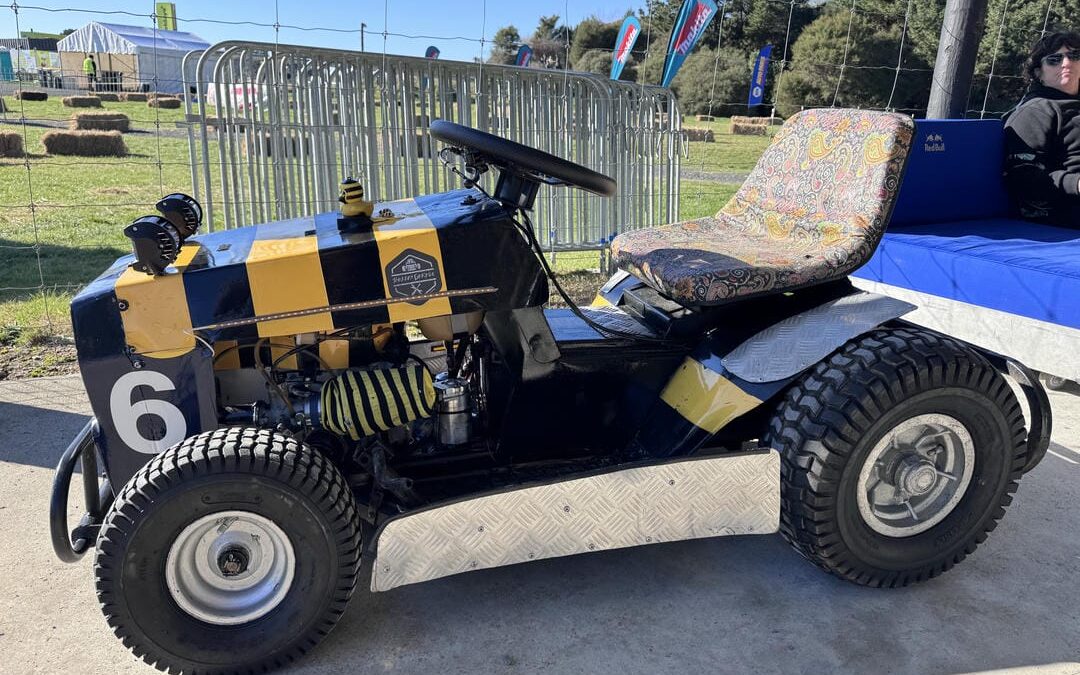
Yep, yep. Yeah. So I've left my lights on. I got a bit carried away. And it's got neons underneath and it's got glow lights all over it. Just, just because you can, you know, it's just, you know, great places like Temu and AliExpress, you can buy all these LED neon lights so cheap, wake them on, wire them up and then go and have a whale of a time.
Sam [00:13:22]:
Why not pimp out your right on lawnmower that you're going to race?
Barry [00:13:25]:
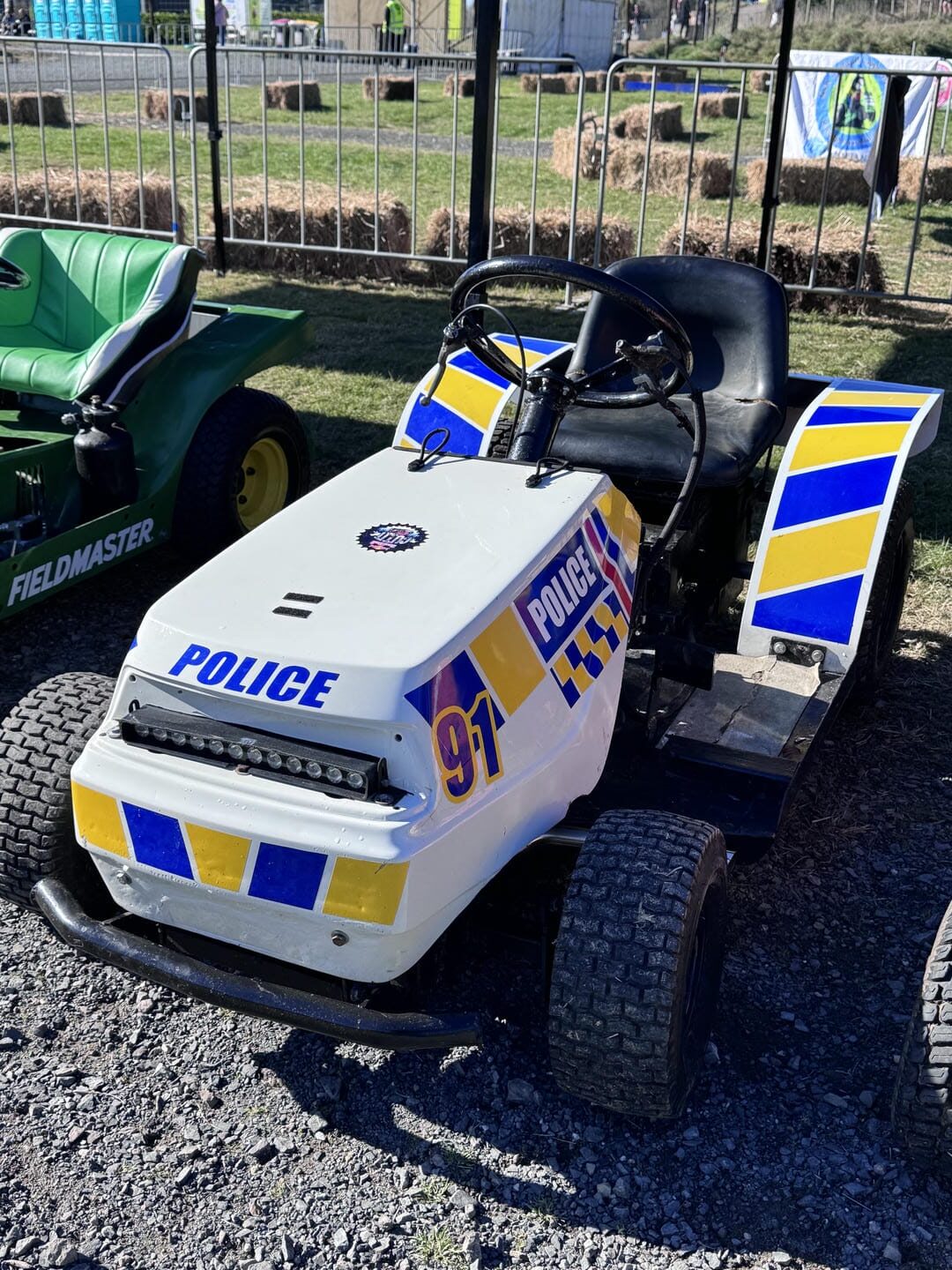
Yep, definitely. It's. I mean, people take a lot of care in these things. You know, you can see that they've painted them nicely and buffed them up and keep them shiny and you know, once you've built it, there's a, there's a lot of pride in what you've built and when you go out and race it, it's part of that.
Sam [00:13:41]:
It's all very cool. Thank you so much, Barry, for taking the time to talk to us. How do people find out more about this, what you're up to and anything else you want to share?
Barry [00:13:50]:
The best thing to do is to jump onto the NZLMRA website. So just type in nzlmra New Zealand Norway Racing association and then on there we have all the meets that are around the country. And then if you want to learn how to make a mower, then I've got a YouTube channel that I've done that with so that it's got a few builds on it and a lot of information and it's New Zealand based.
Sam [00:14:10]:
What's that YouTube channel called?
Barry [00:14:11]:
It's called Bazzas Garage. Yeah, so you jump on there and there's a whole lot of videos on pulling motors apart, how to bend steel and check your motor over, all that sort of stuff.
Sam [00:14:19]:
Amazing. I'm sure some of our listeners. Jeremy, if you're listening, make a ride on racing lawn mower. Actually, I'll tell you who will do this. Jamie, get your children into this.
Barry [00:14:30]:
We encourage kids, we've got juniors, we've got eight year olds racing. So, yeah, we encourage that. Great family atmosphere.
Sam [00:14:37]:
Very cool. Thank you so much. I love this chat, love seeing the mowers.
Barry [00:14:41]:
No worries at all. Thanks for your time.
Where you can find us
Get Patreon Perks
Our Facebook Page
Visit us on Instagram
Chris’s Website
Sam’s Website